A bold
& daring
creative
journey
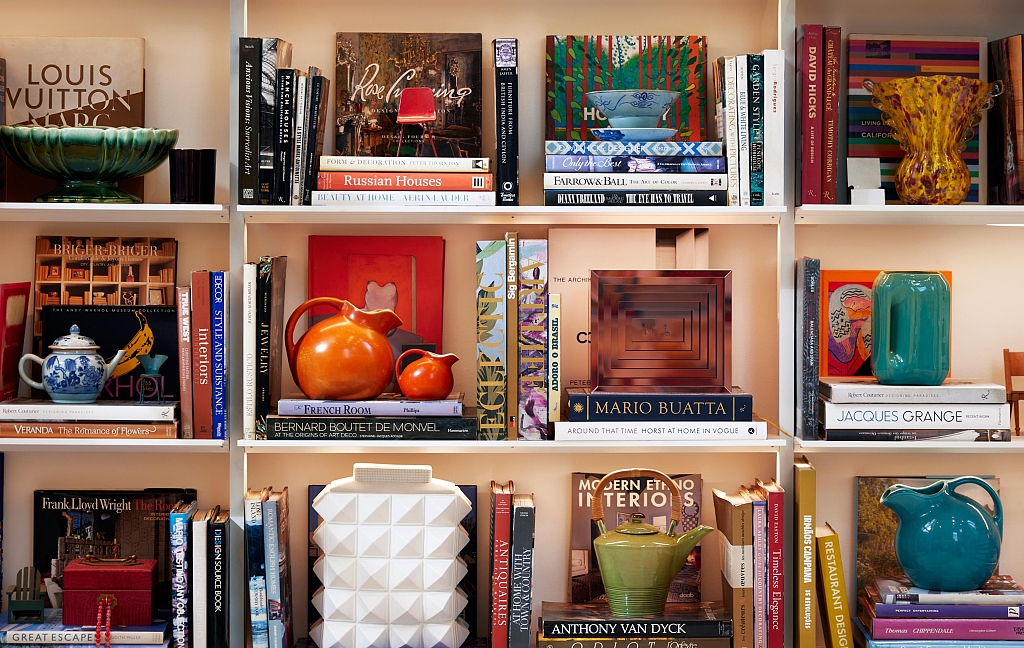


The first major printed work to unveil the exuberant and pioneering universe of Sig Bergamin.
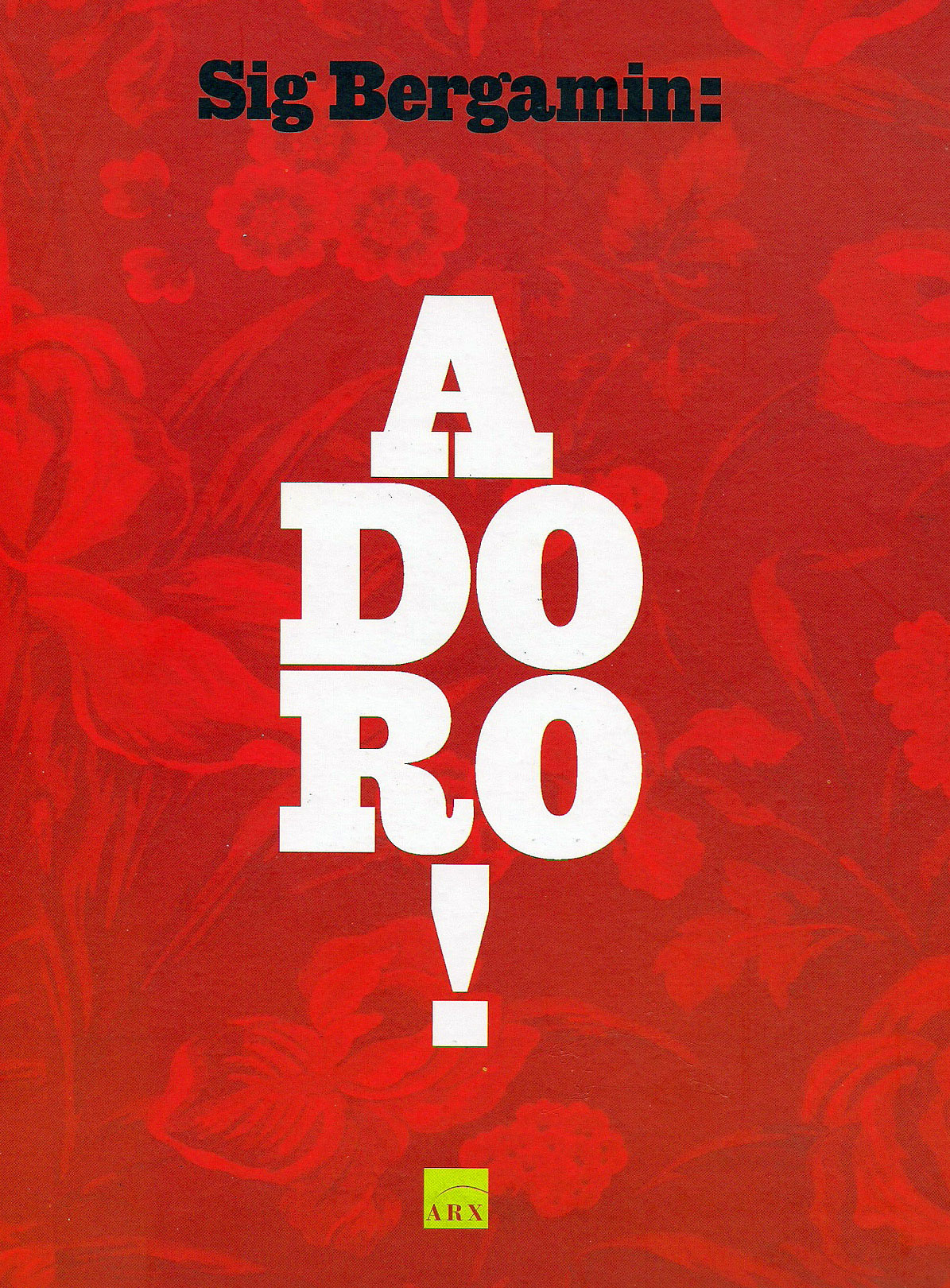

In 2002, Sig Bergamin released Adoro, an absolute bestseller and a defining landmark of its time.
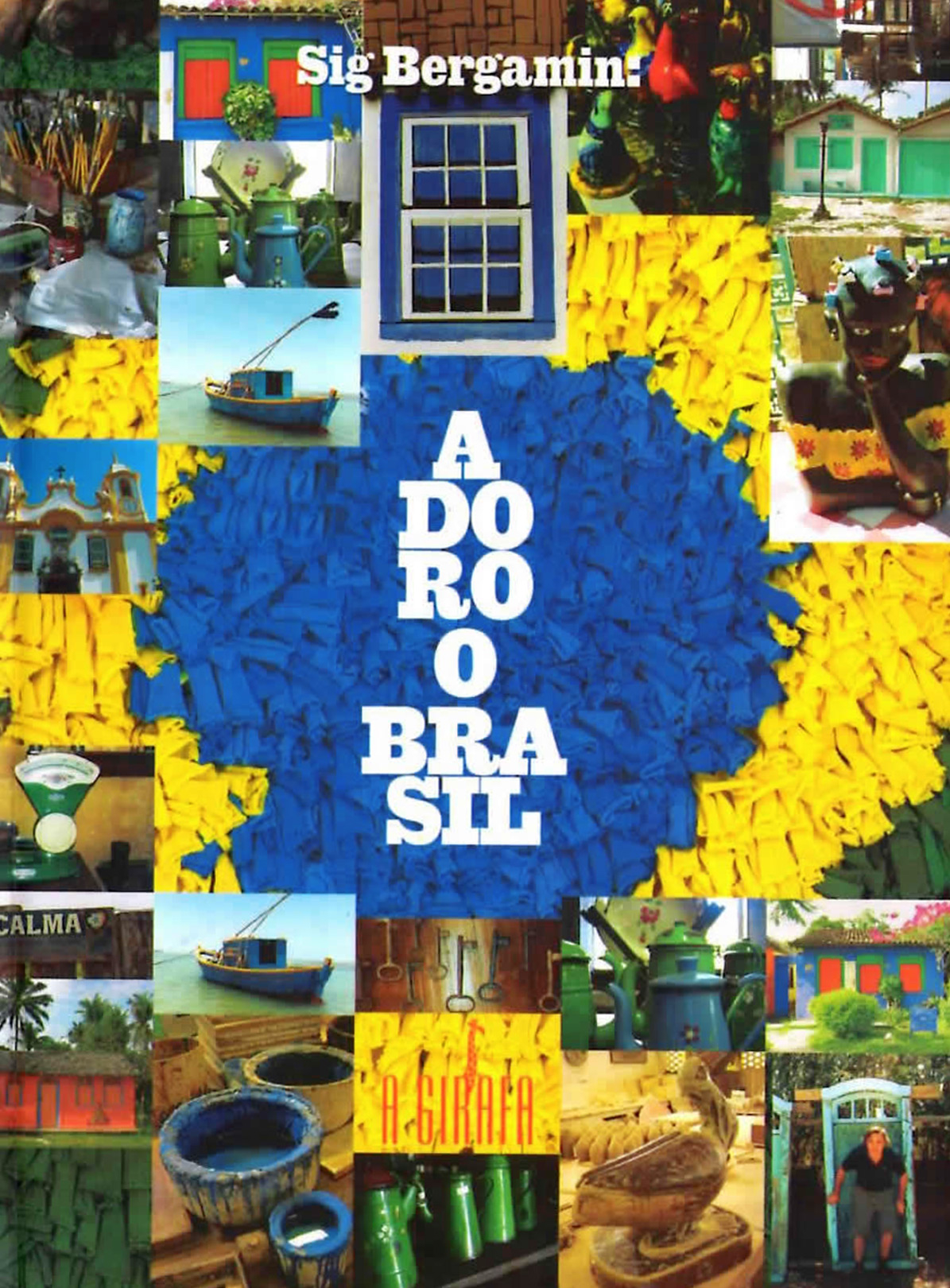

Shortly after the release of "Adoro" in 2003, Sig published "Adoro o Brasil", documenting and showcasing his exploration of Brazil’s interior.
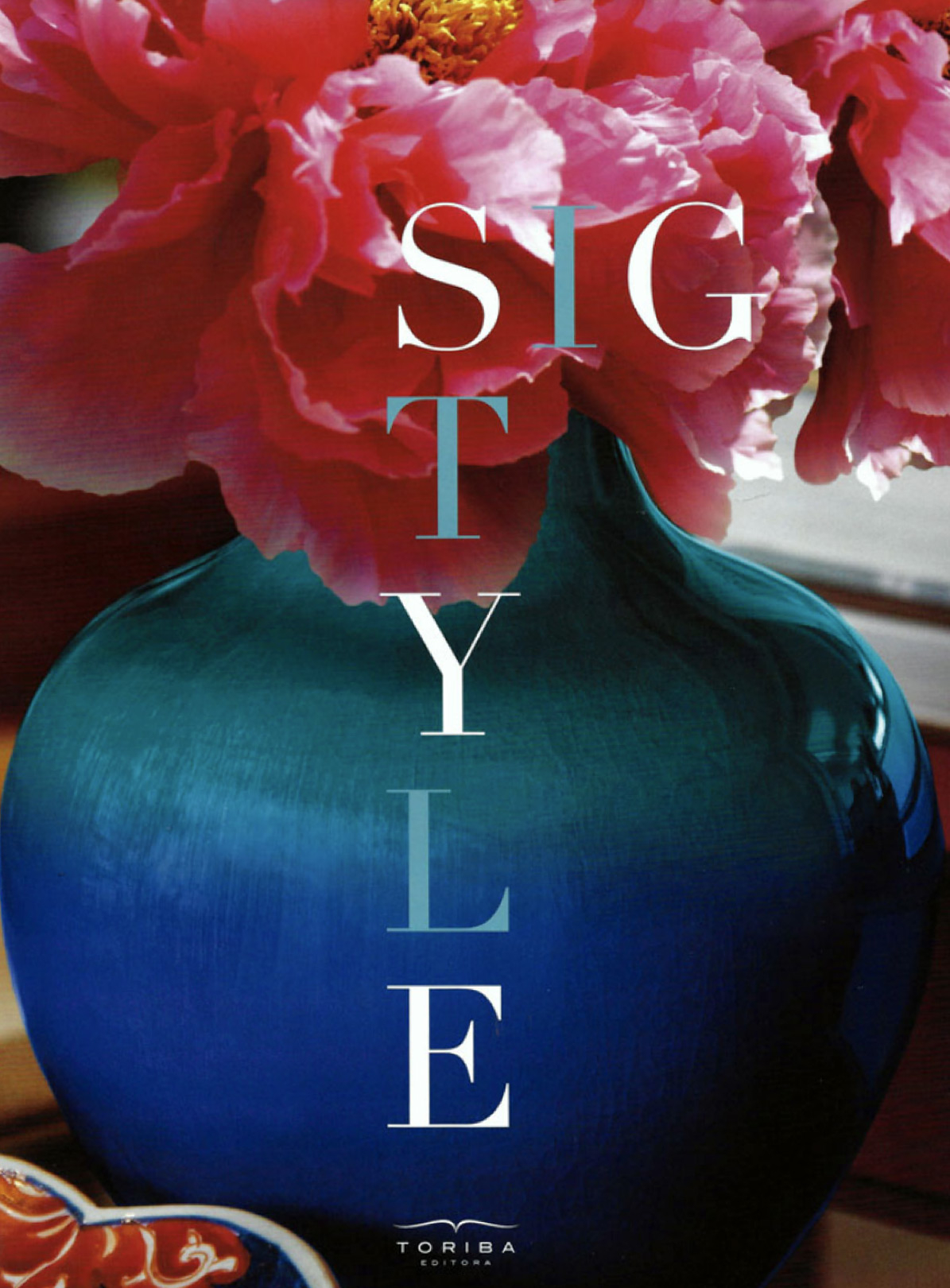

Eleven years later, in 2014, Sig released Sig Style, yet another major success.
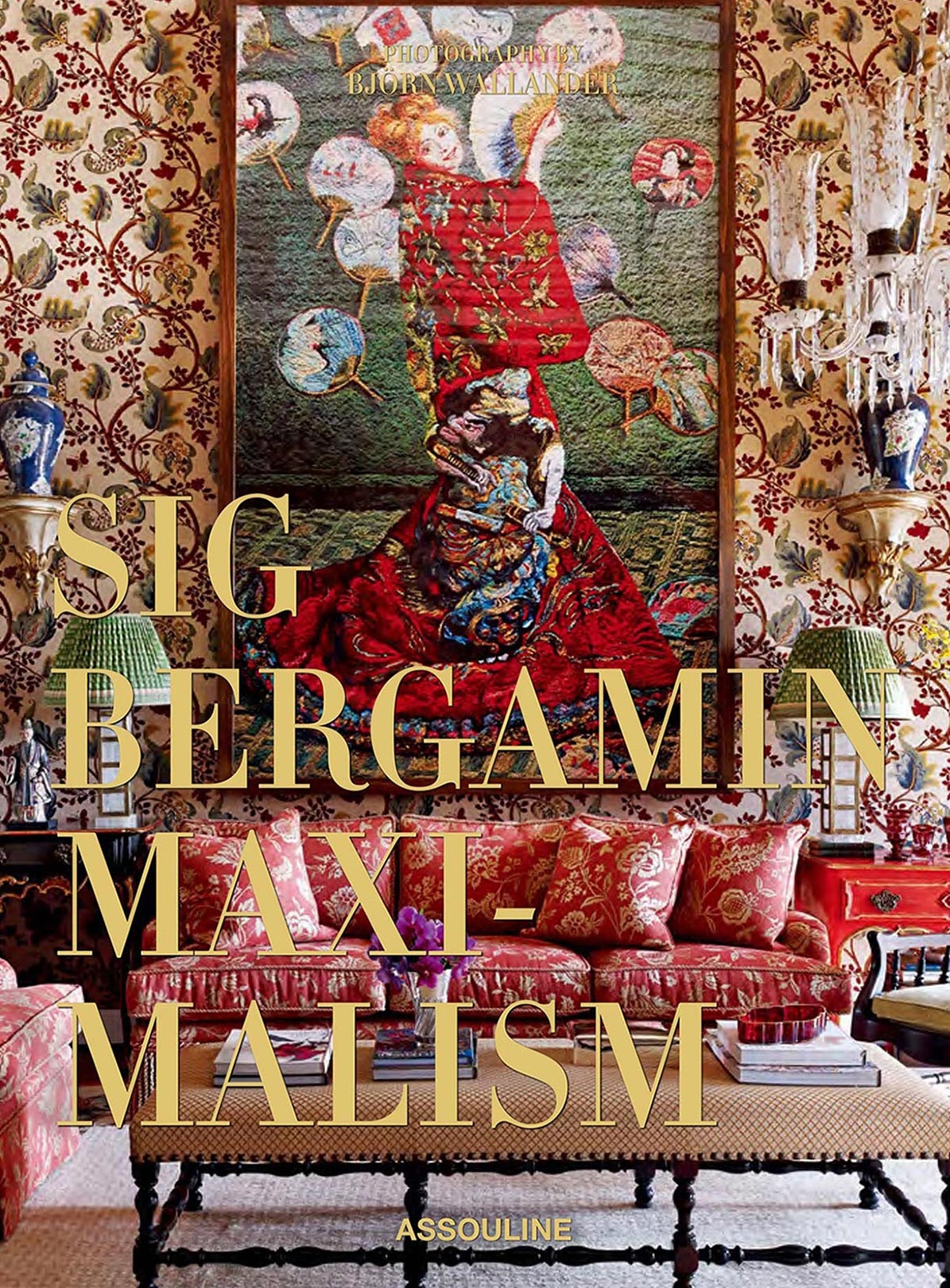

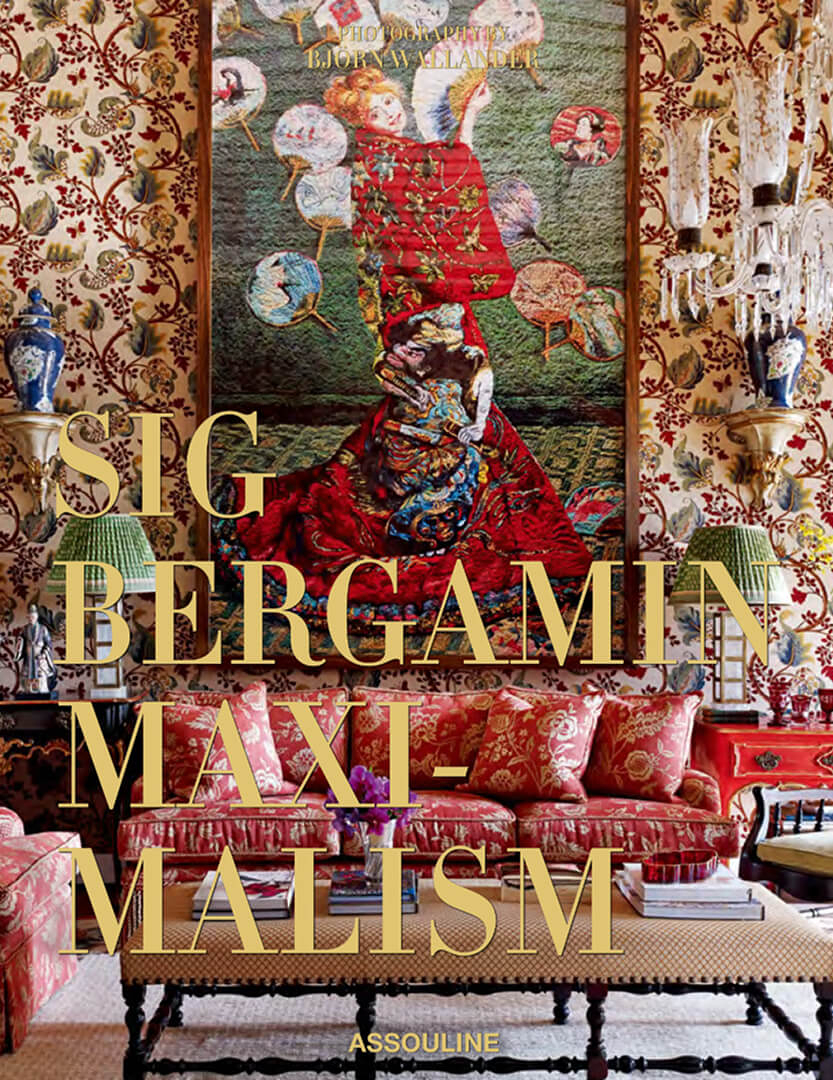
In 2018, Sig marked a pivotal moment in his career with the release of “MAXIMALISM”, published by Assouline - his debut on the international publishing stage. The book quickly became a defining milestone and an absolute bestseller.
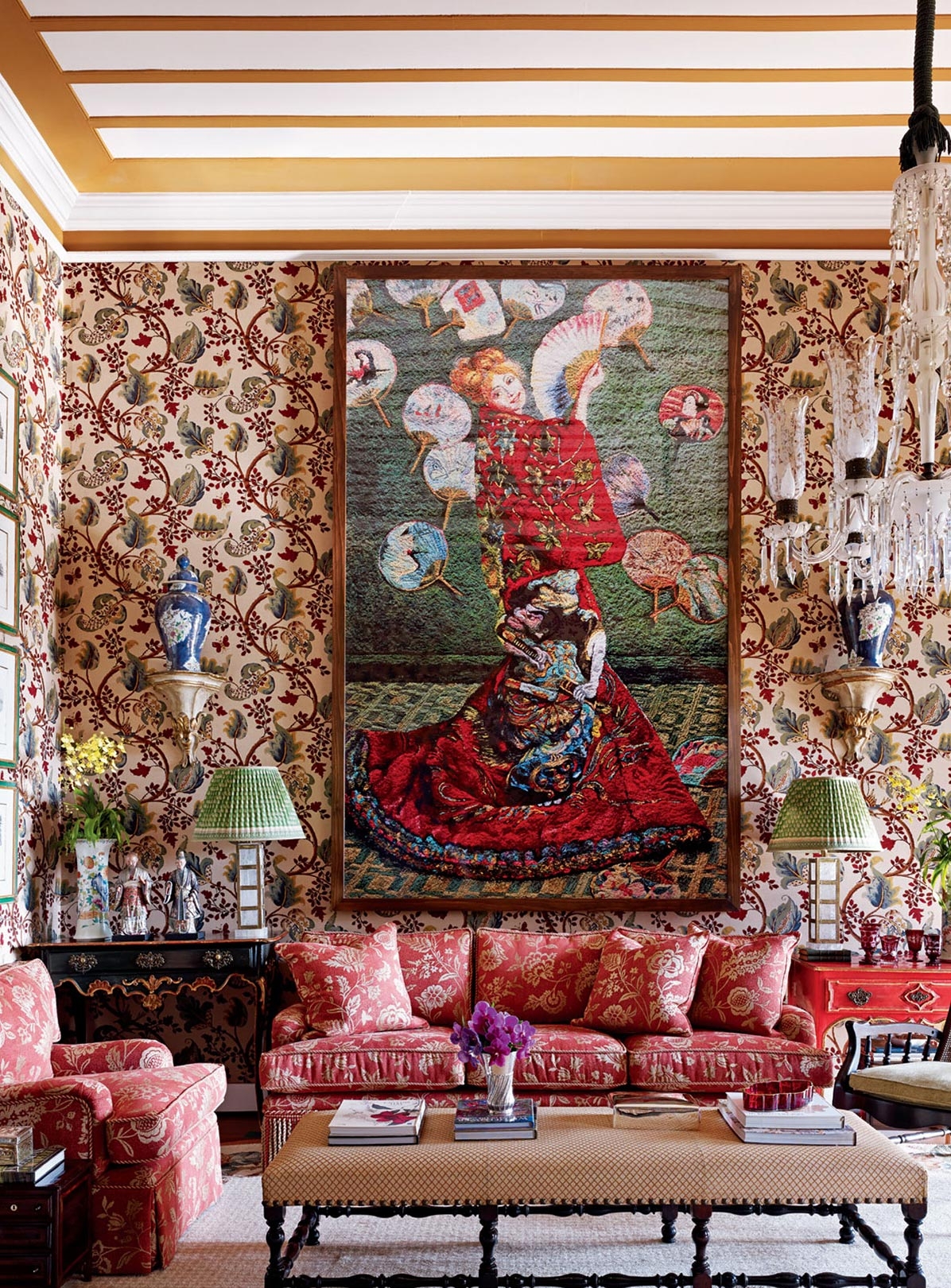
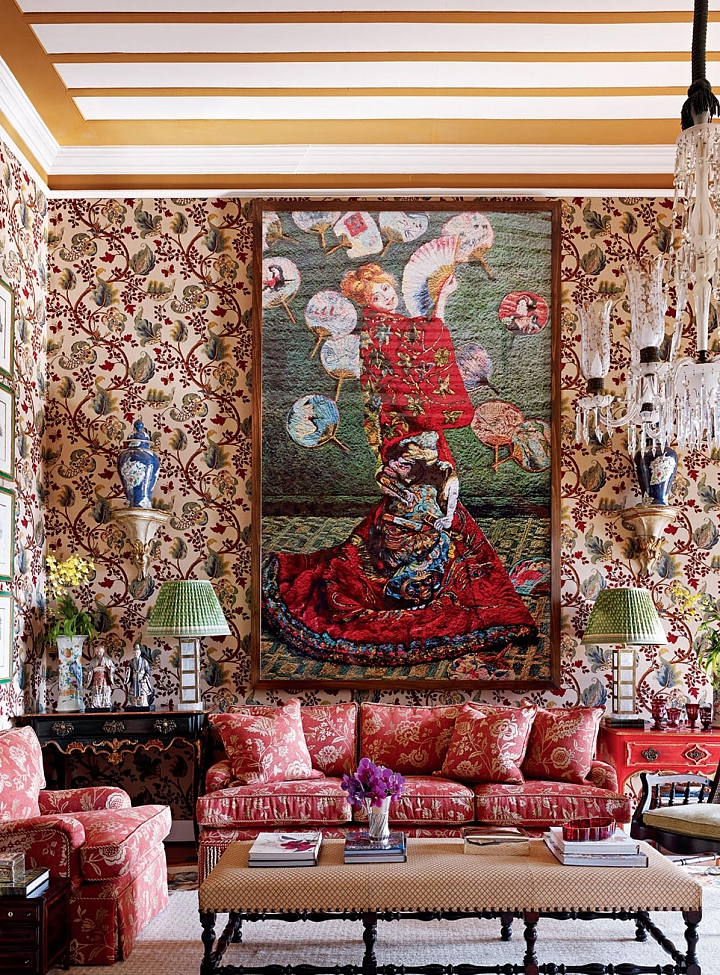
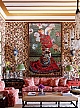
The bold style of Sig Bergamin, architect and designer, is evident in his self-described ‘maximalist’ approach. Bergamin blends 18th- and 19th-century French and Italian furniture with modern pieces from North and South America. In his São Paulo home, he changes cushions, covers, and lampshades according to the seasons. He brings the same level of care to every client’s home, creating a distinct sense of unity in each one.
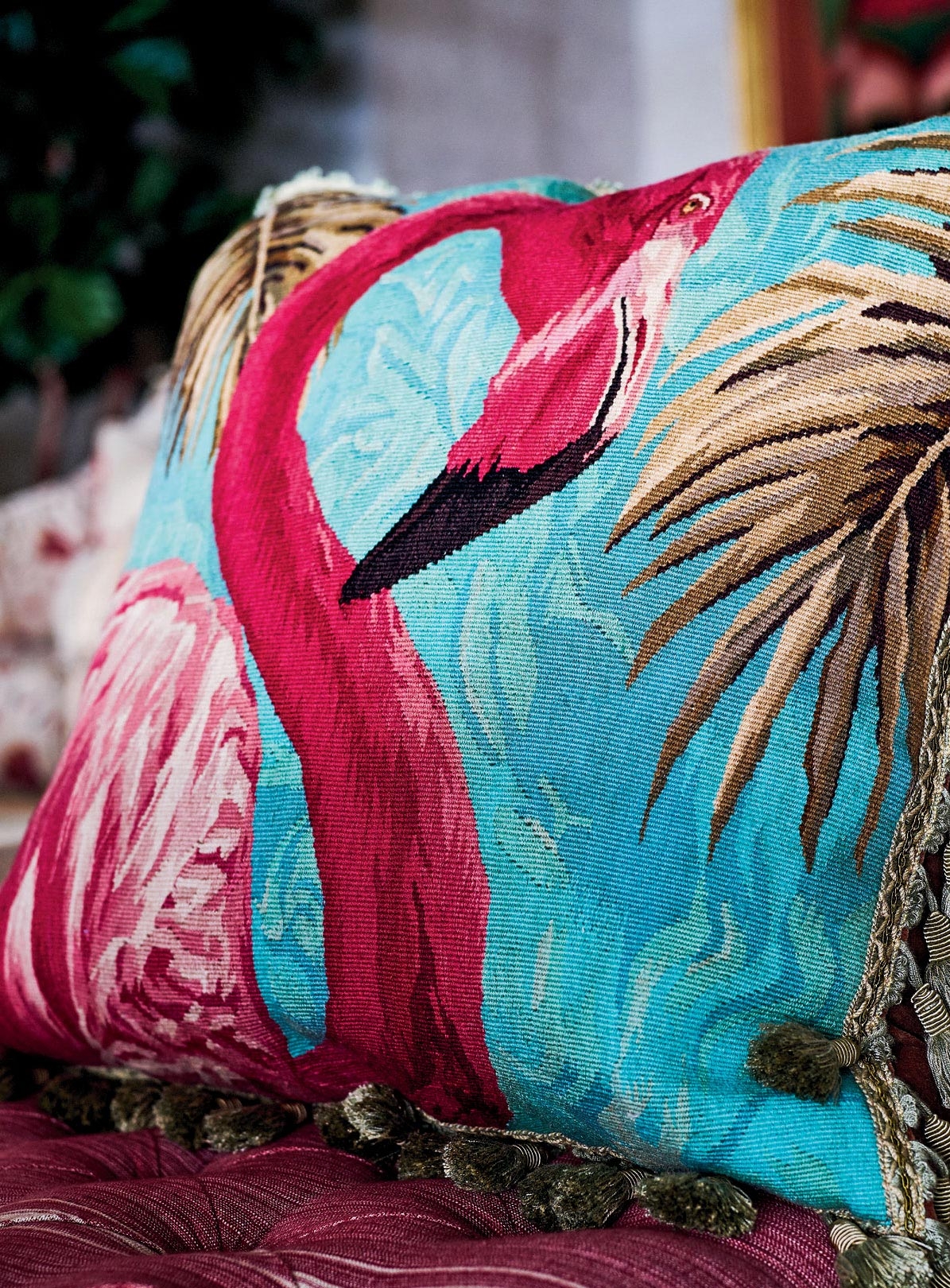
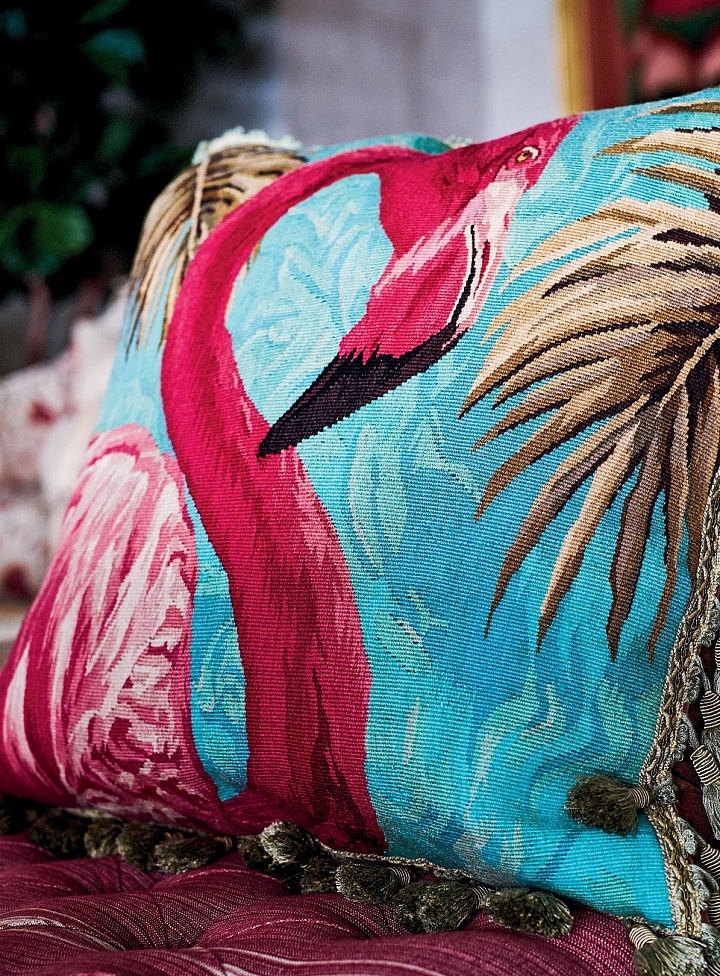

“A work of art is born from the studio’s contextual neutrality, and even when presented in a museum or gallery, it remains invariably detached from any trace of daily life or personal context. Until it leaves the gallery, the artwork belongs to no one but an abstract, imaginary owner. It is always a surprise for an artist to encounter one of their works surrounded by other objects — vessels, furniture, lighting, colored walls, patterned surfaces, curtains, and other works of art. When art becomes part of a lived space, it assumes a different role: that of engaging in dialogue with the life and environment of its owner. The true test of art is its ability to withstand the visual abundance of its surroundings with balance and dignity, preserving its essence without imposing itself on the space
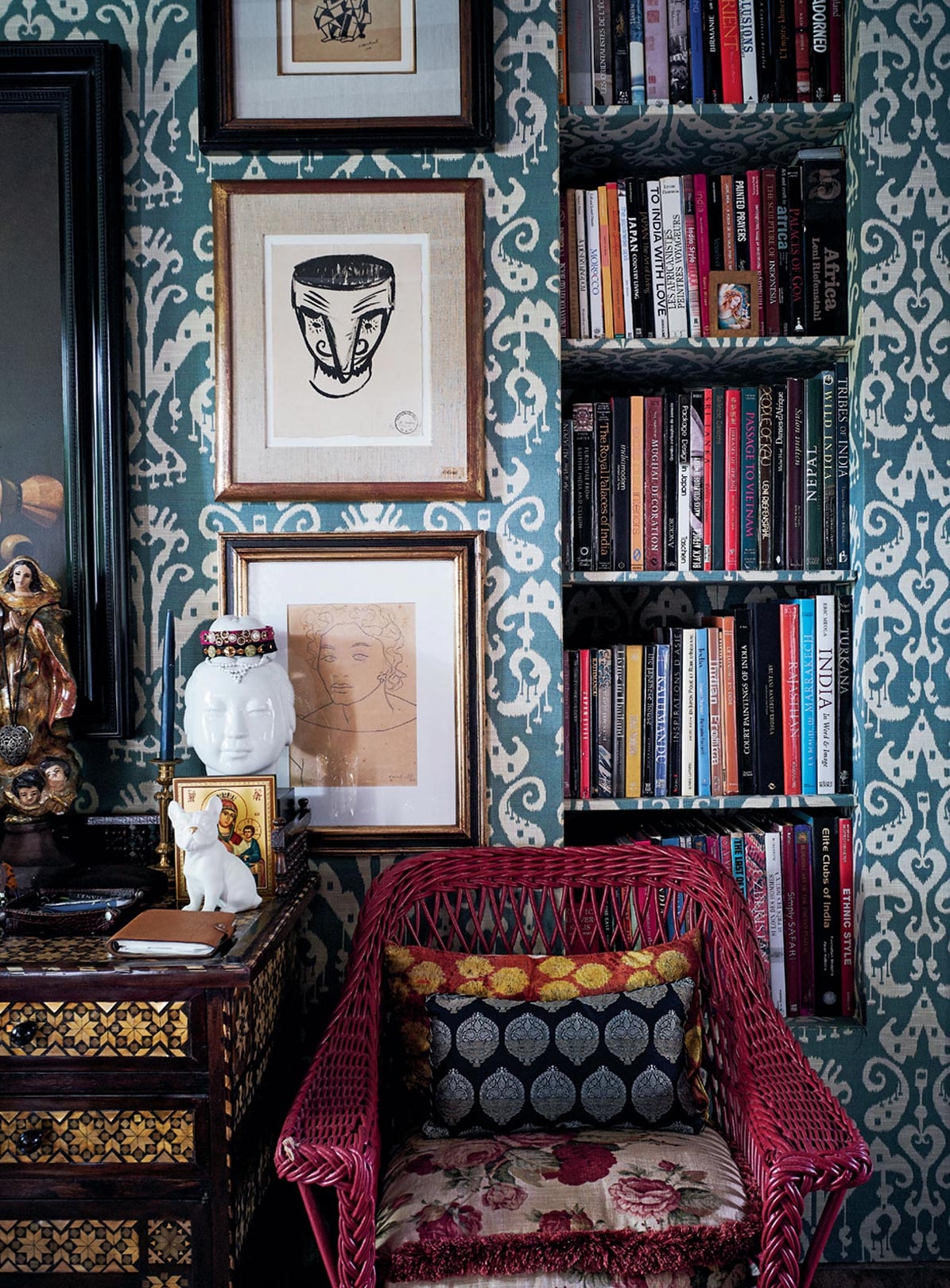
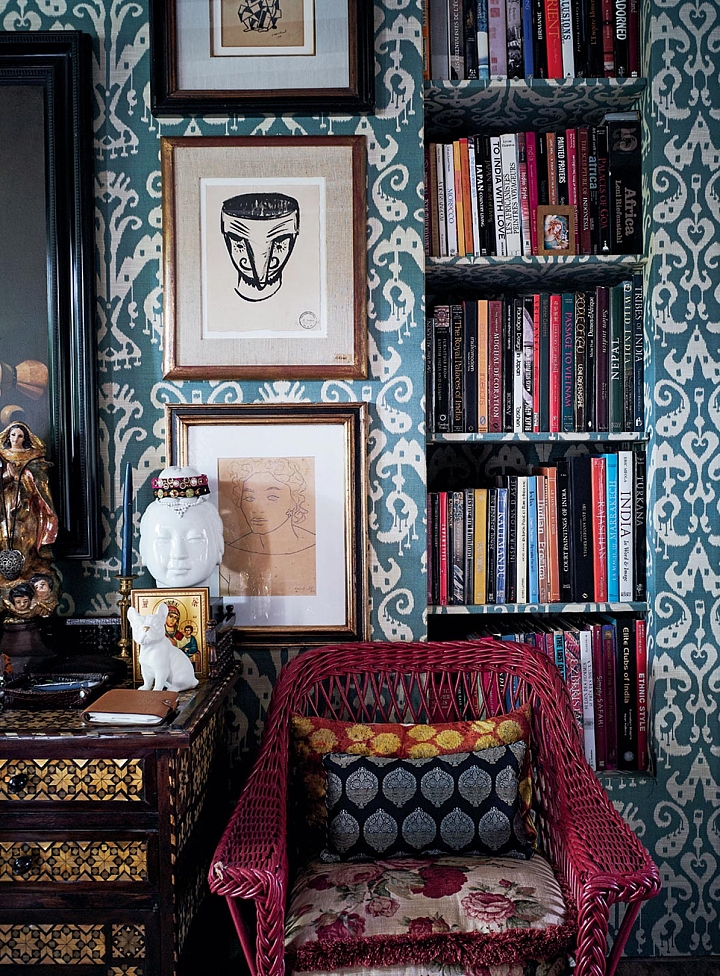

Art must be an essential part of a space, while knowing how to remain just one part of it. I have always imagined my work within challenging, complex contexts, as this helps me calibrate the visual energy I seek to infuse into my creations. I believe this willingness to work with a maximum of sensory vectors simultaneously reflects, in part, the neo-baroque condition shaped by the excess of information that defines our time. It is no coincidence that so many of my works have found their way into Sig’s projects. In the complexity and eclecticism of Sig’s designs, I often see an extension of the language I strive to articulate through my own work.
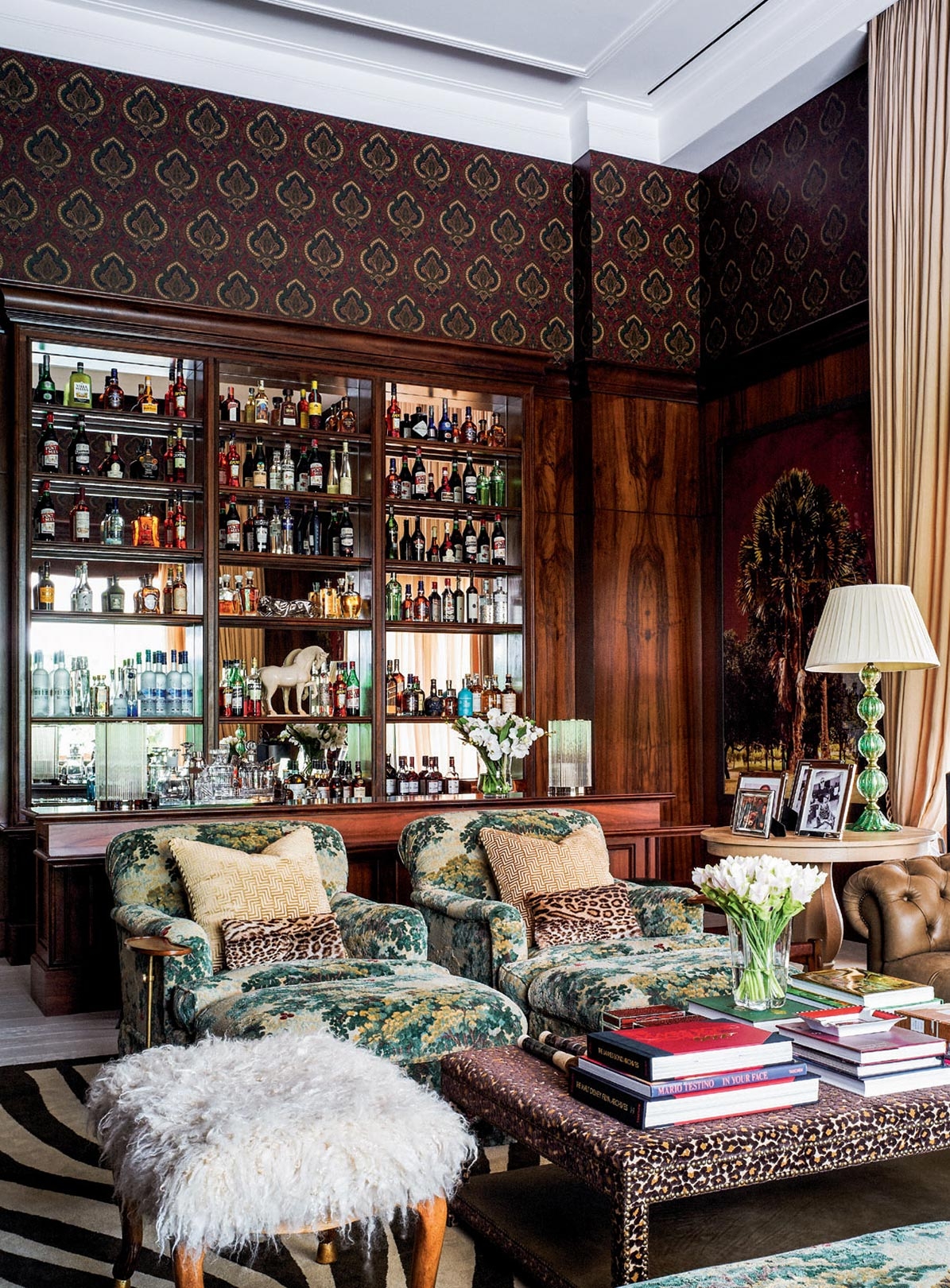
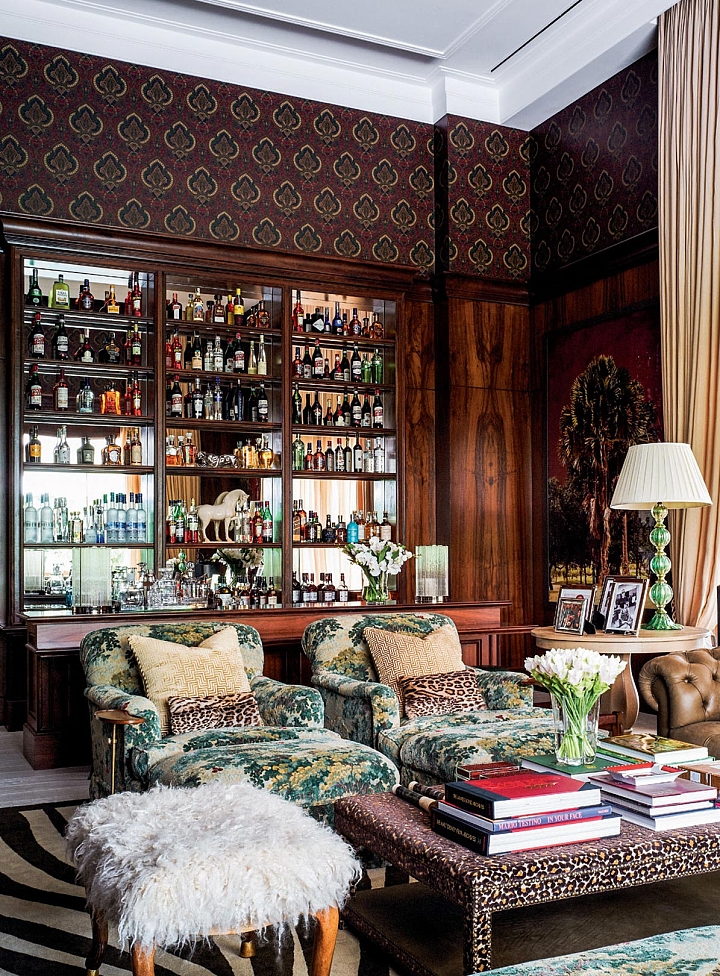
“His interiors reflect an abundance of references and information drawn from the outside world, instinctively organized to become a kind of aesthetic interface between these two realms. If a garden is a conversation between human reason and the forest, Sig’s interiors are a dialogue between the comfort of shelter and the rich, chaotic world beyond — like traveling to distant, exotic places without ever leaving home. Only someone so deeply engaged with the world as a whole could conceive the physical space that intimacy truly requires. Sig’s work reflects this boundless array of things to be understood, experienced, and absorbed — an immense curiosity, free of prejudice. It is with this generosity of references that he builds his own universe, intimately, one room at a time.”
By Vik Muniz
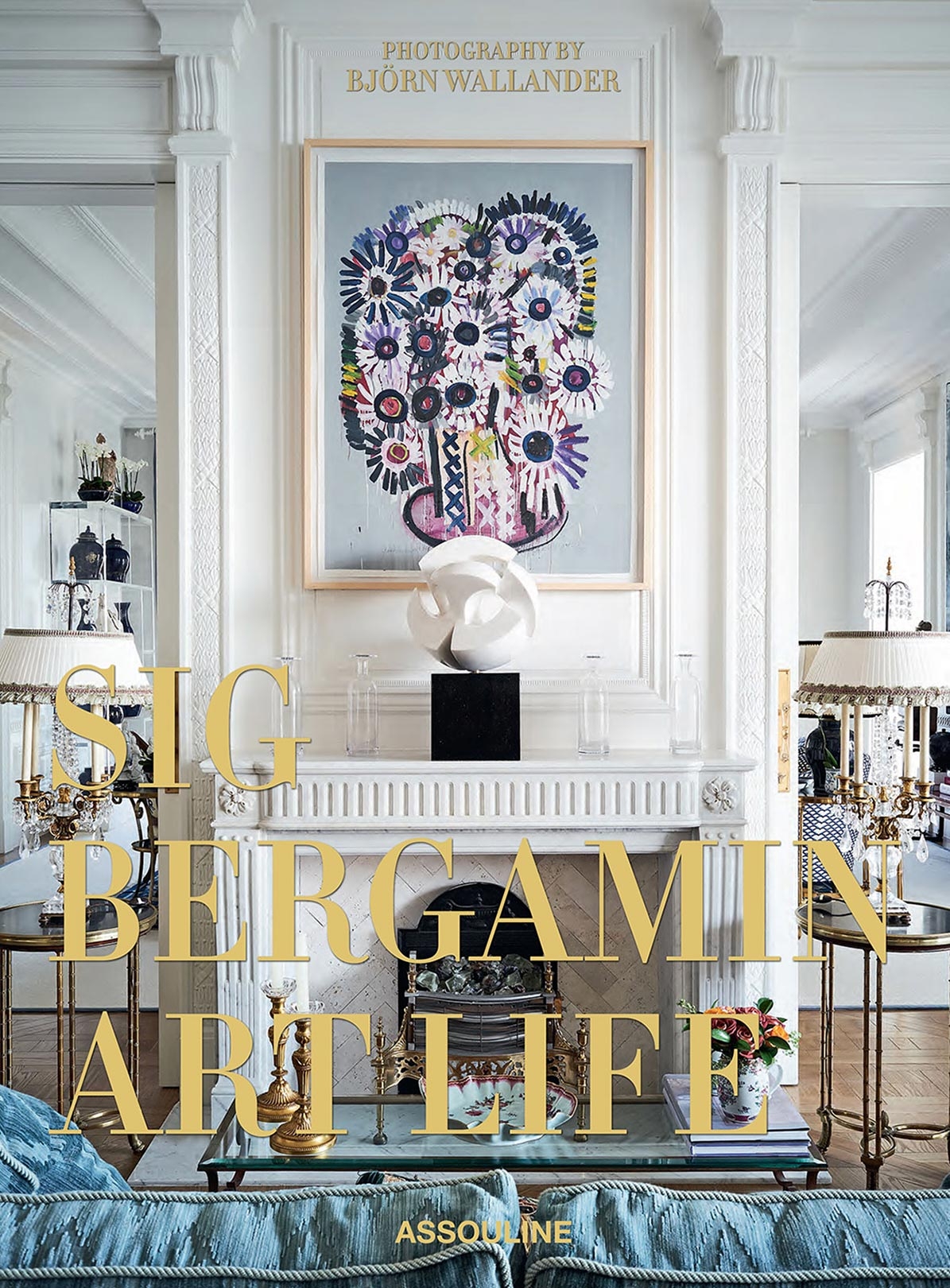

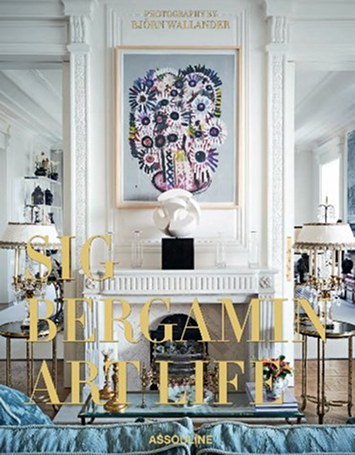
Two years later, in 2020, Sig Bergamin published Art Life, once again with Assouline.
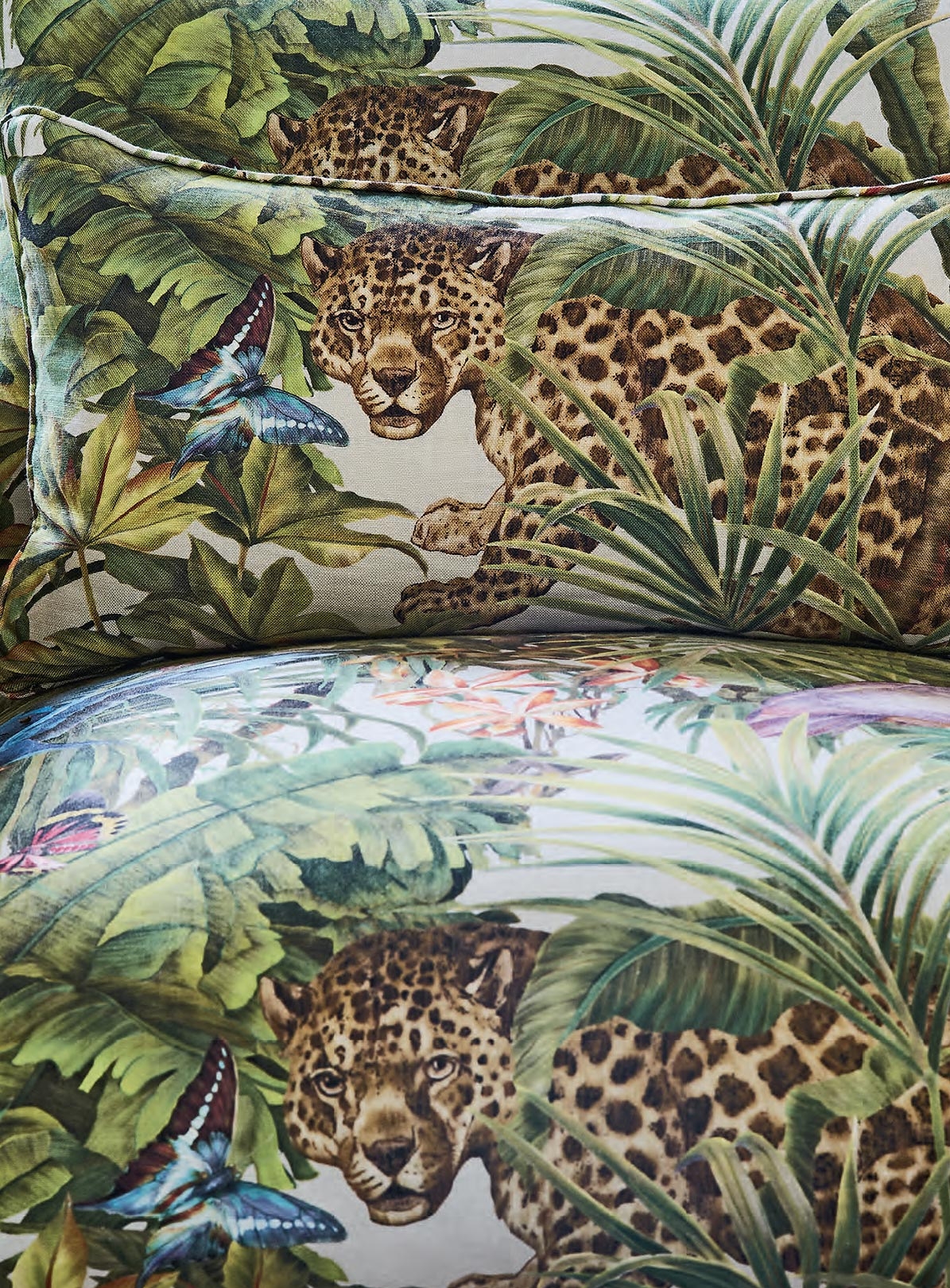

Sig is an avid art collector, a passion that permeates every meticulously crafted interior, where Warhols and Hirsts coexist effortlessly with minimalist and maximalist pieces sourced from around the world. Spanning nine interiors, from Brazil to Miami, Art Life by Sig Bergamin is a celebration of his richly layered aesthetic — and of his enduring devotion to art, history, and the narratives they carry.
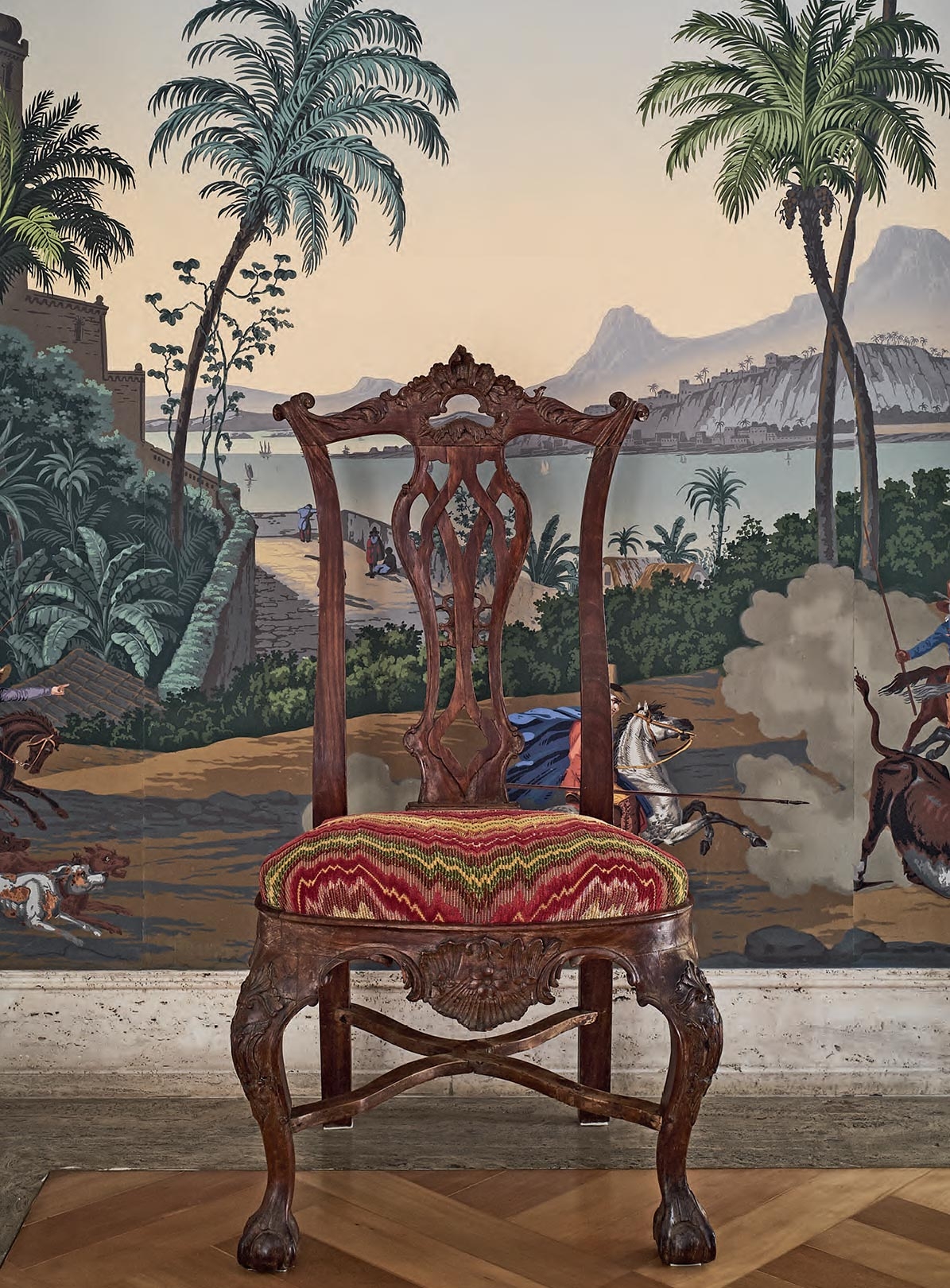
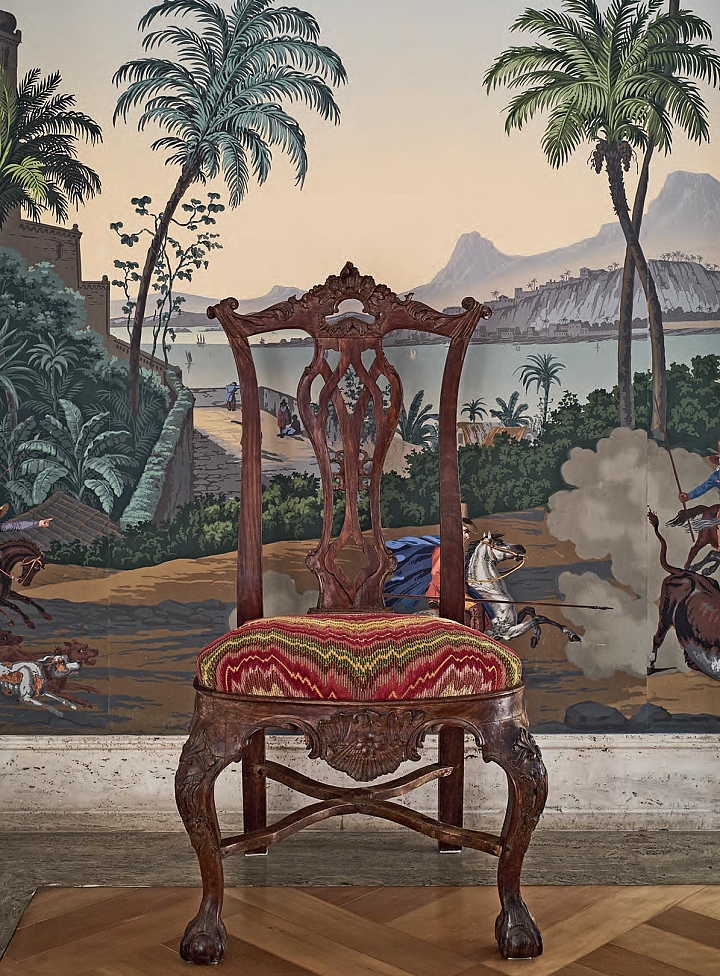

“I bought my first work of art at eighteen,’ recalls Sig Bergamin. ‘It was a painting of a tiger that someone brought from Bali to Brazil.’ Decades later, Sig still keeps that first piece — not for its artistic value, but for its emotional significance. Today, he is surrounded by works from renowned artists such as Beatriz Milhazes, Adriana Varejão, and Damien Hirst, and remains in constant dialogue with curators, gallerists, and collectors around the world. Yet his approach to art remains deeply personal and intuitive, guided by a sensibility refined over time. Known for his creative freedom — blending colors, patterns, styles, and historical periods with ease and irreverence — Sig stands in stark contrast to the austere interior designer. With a sharp eye and an instinctive hand, he brings together unlikely elements to create unexpected, vibrant environments, rich with life and layered with history.”
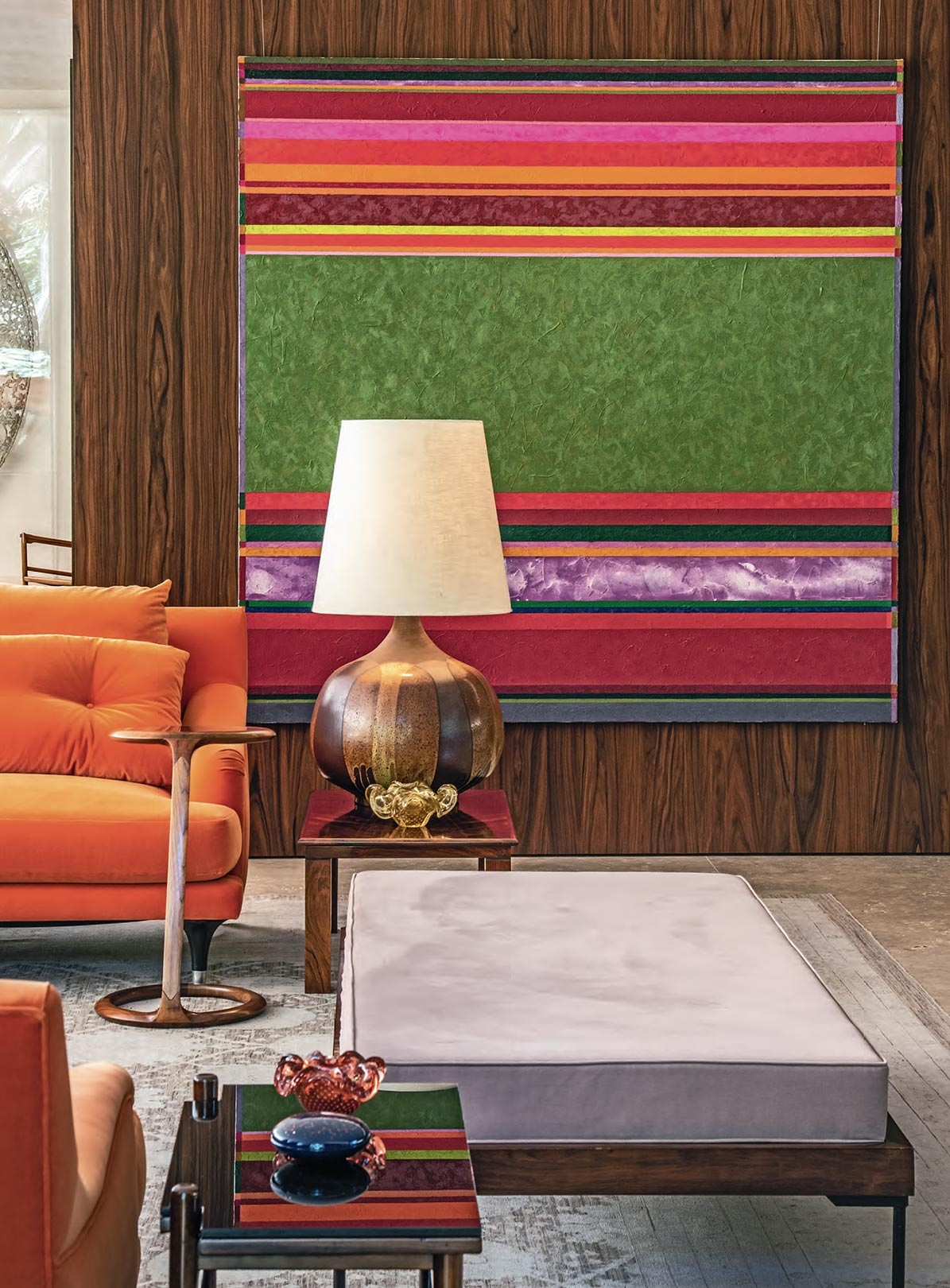
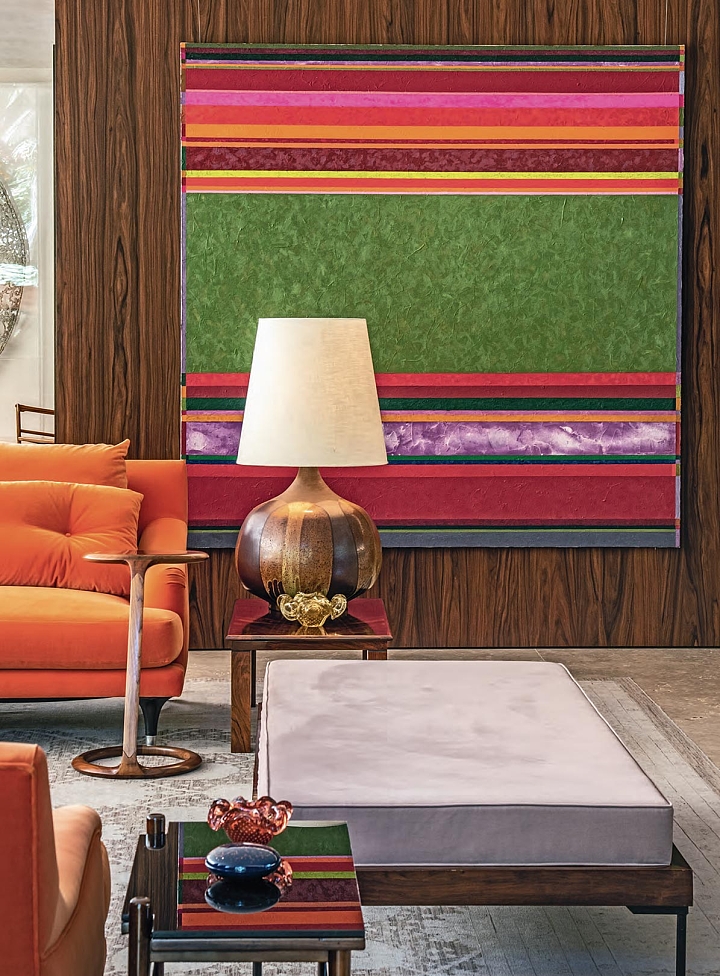
His carefree, maximalist style - now celebrated across the globe - has been recognized by publications such as Architectural Digest and Elle Décor, which have named him among the most influential designers of today. In Brazil, Sig is more than a familiar name - he is a cultural reference and a style icon. This book celebrates his other great passion: art. While Sig has always incorporated artworks into his projects, their role within his interiors has taken on a new dimension in recent years. The spaces presented here reflect this renewed approach, in which art is no longer a final touch, but a point of departure — shaping the concept of each space from the very beginning. ‘I used to think about the furniture first," he explains. ‘Now art comes alongside it - or even before. I’ve discovered that everything flows much more naturally this way."
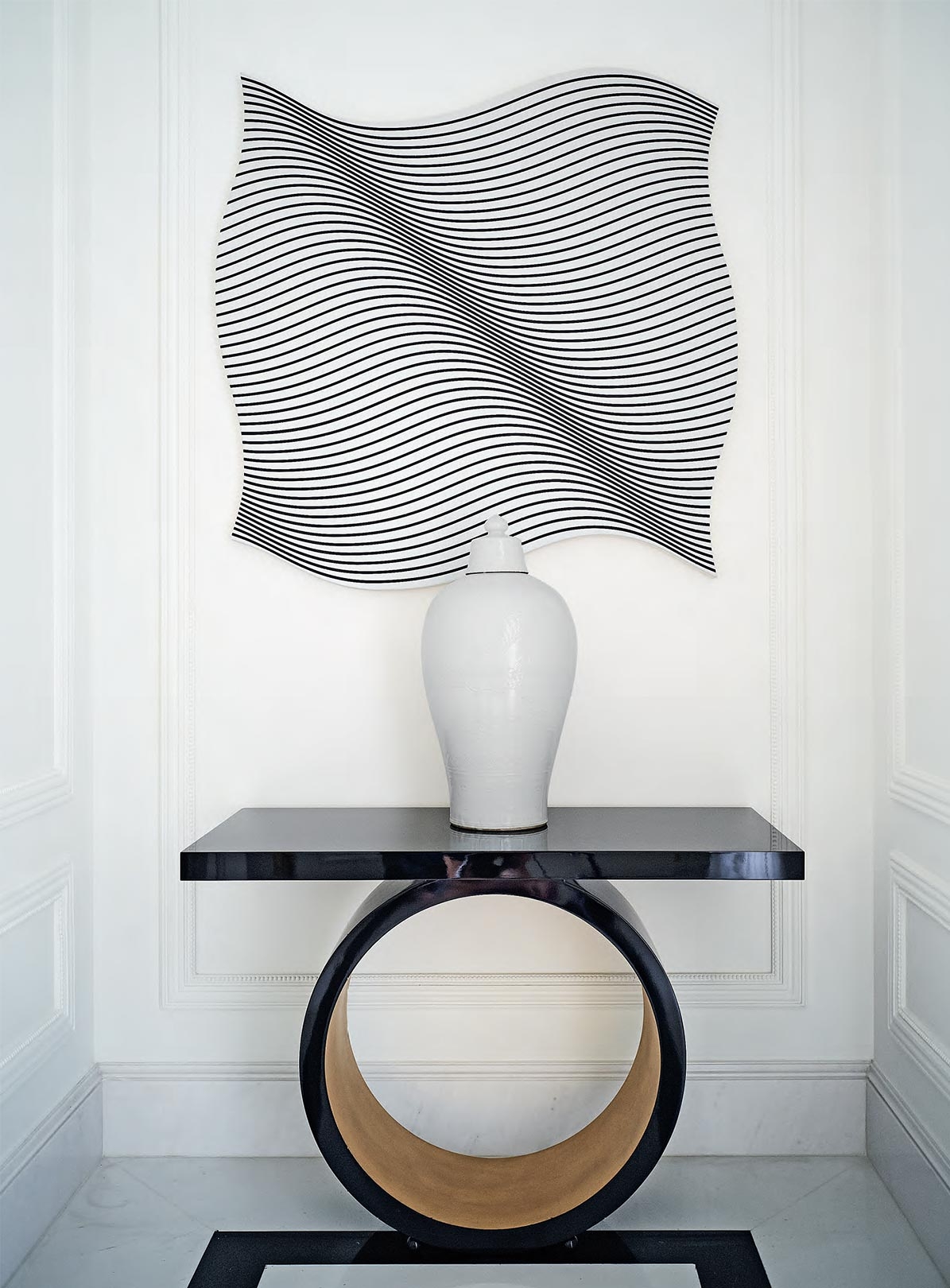

Sig grew up on a farm in the countryside of São Paulo state, where he learned early on to value the senses - to observe, touch, smell, listen, and savor life with intensity. At fifteen, he moved to the capital, quickly standing out for his strong personality and refined taste. While still studying Architecture and Urbanism, he founded his own studio and began to draw attention for his witty, informal approach to decoration - a bold counterpoint to the sobriety of the prevailing modernist ethos. His style continued to take shape as he traveled the world, expanding his repertoire of cultural and visual references. From Morocco to India, from Japan to Latin America, his aesthetic was shaped by an open, global outlook - rich in contrasts, juxtapositions, and surprise. The same curious, expansive gaze guided him into the world of art. After the tiger painting, Sig began collecting works by emerging Brazilian artists and, over time, gradually incorporated internationally renowned names into his collection.
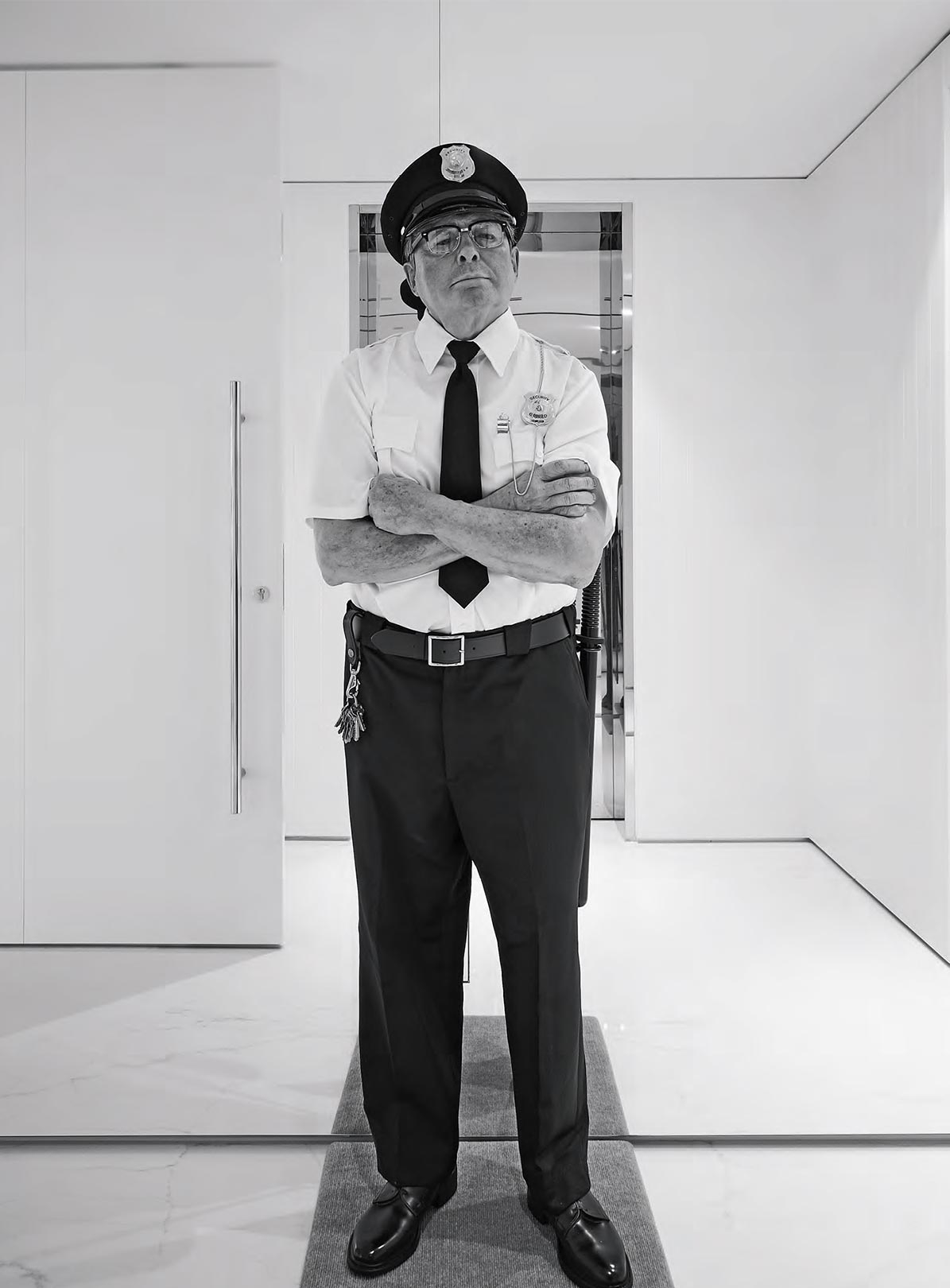

" When I was just starting out, I bought an Andy Warhol screen print for three hundred dollars,’ he recalls. ‘I only had one hundred and fifty, so I had to borrow the rest." Another story involves a T-shirt designed by Keith Haring, which Sig bought in the 1980s - and later lost in the washing machine. "I loved that T-shirt, I wore it all the time. It’s a shame it disappeared." Today, Sig moves through the world’s leading fairs and events - Art Basel, Frieze, TEFAF - yet he retains the spirit of a discoverer. His enthusiasm is the same when encountering a great master or an emerging talent. On the walls of his homes and the projects he creates, these worlds meet effortlessly. He encourages his clients to mix established works with less obvious pieces, creating a spontaneous and original dialogue. "If you like different things, you can place them together,"he says. "Styles, eras, and artists can coexist side by side. A painting of a parrot can converse with a toucan pillow — why not? "
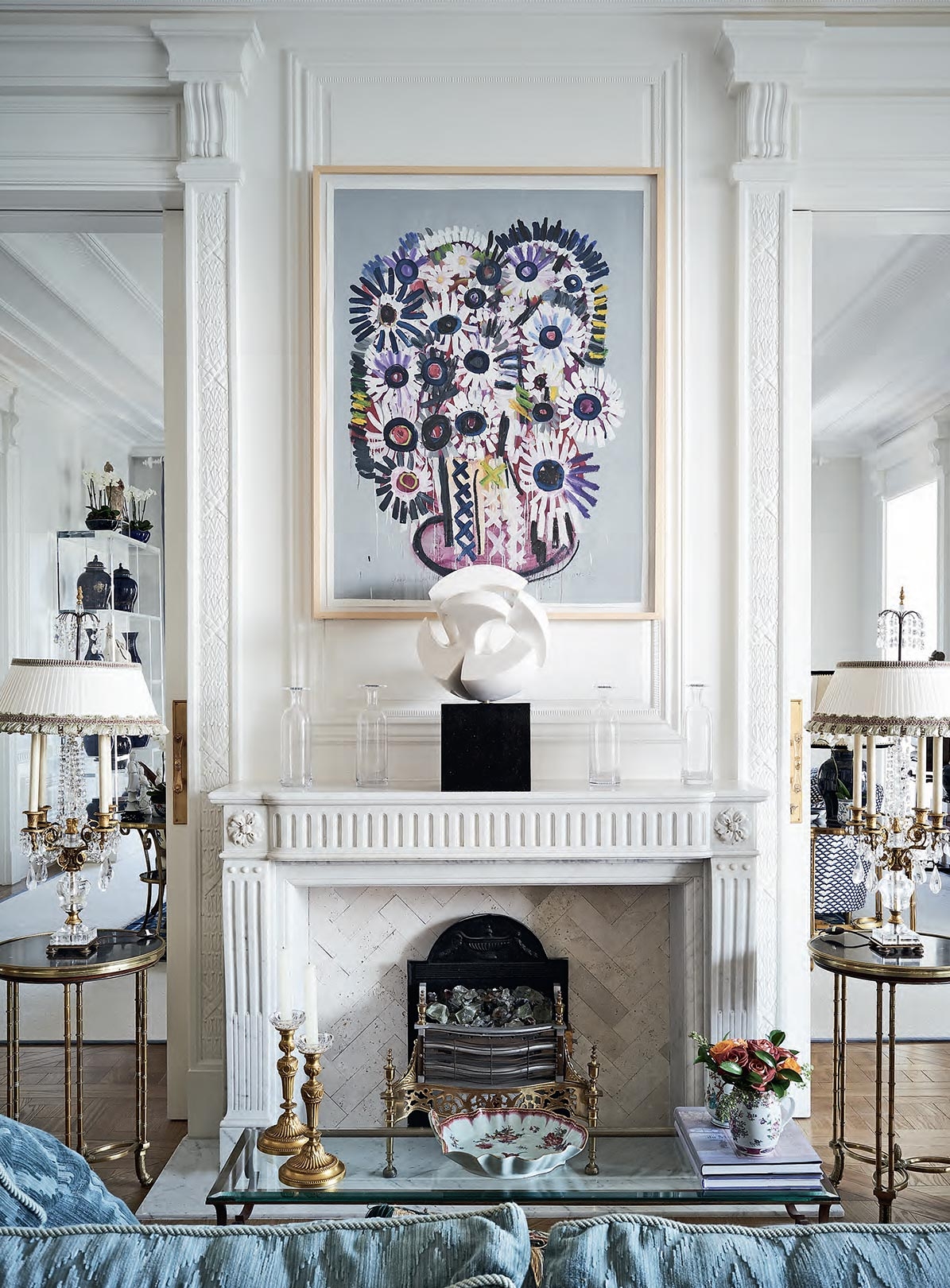
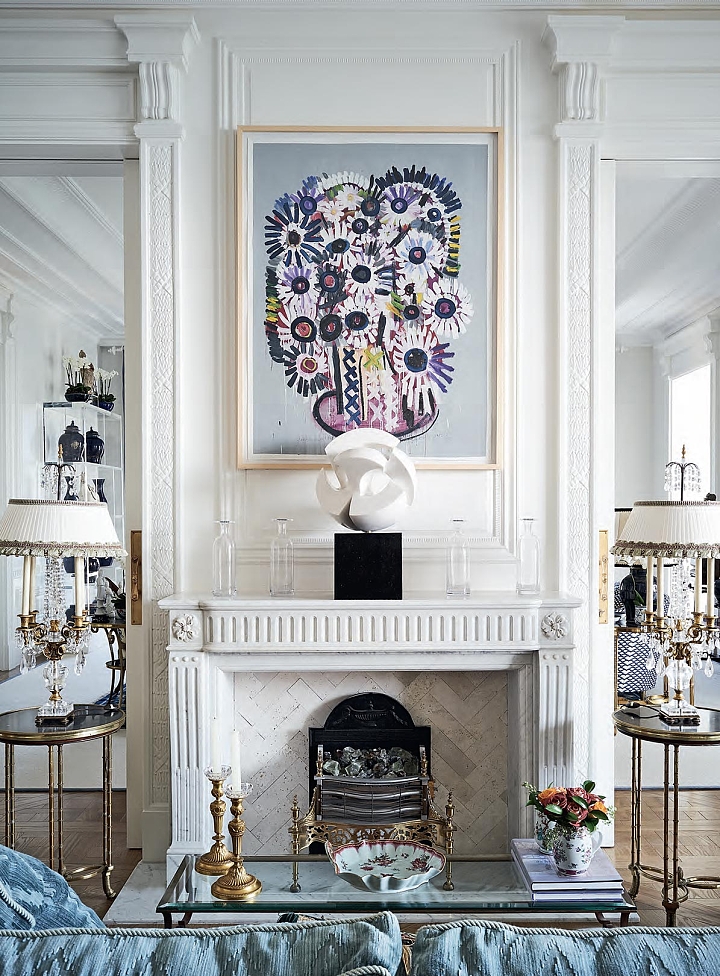
Among the projects featured in this book are a house in Iporanga, where abstract works by Mariana Palma and Luiz Áquila coexist with the geometric compositions of Julio Le Parc, and a retreat in Miami, where Warhol’s portrait of Mao shares space with a chair by Frank Gehry. There are also more restrained environments, such as Sig’s white studio, conceived to bring clarity to the eye. "I need white around me to organize my mind,’ he says. ‘White helps me see other colors more clearly.’ For Sig, art is emotion. ‘It’s not about price, it’s about feeling,’ he affirms. ‘You don’t need to own a Basquiat. You can begin with a handcrafted piece that moves you. What matters is living surrounded by what inspires you."Hence the title of this book: Art Life. Because for Sig, art is not merely part of the home - it is part of life."
By Armand Limnander
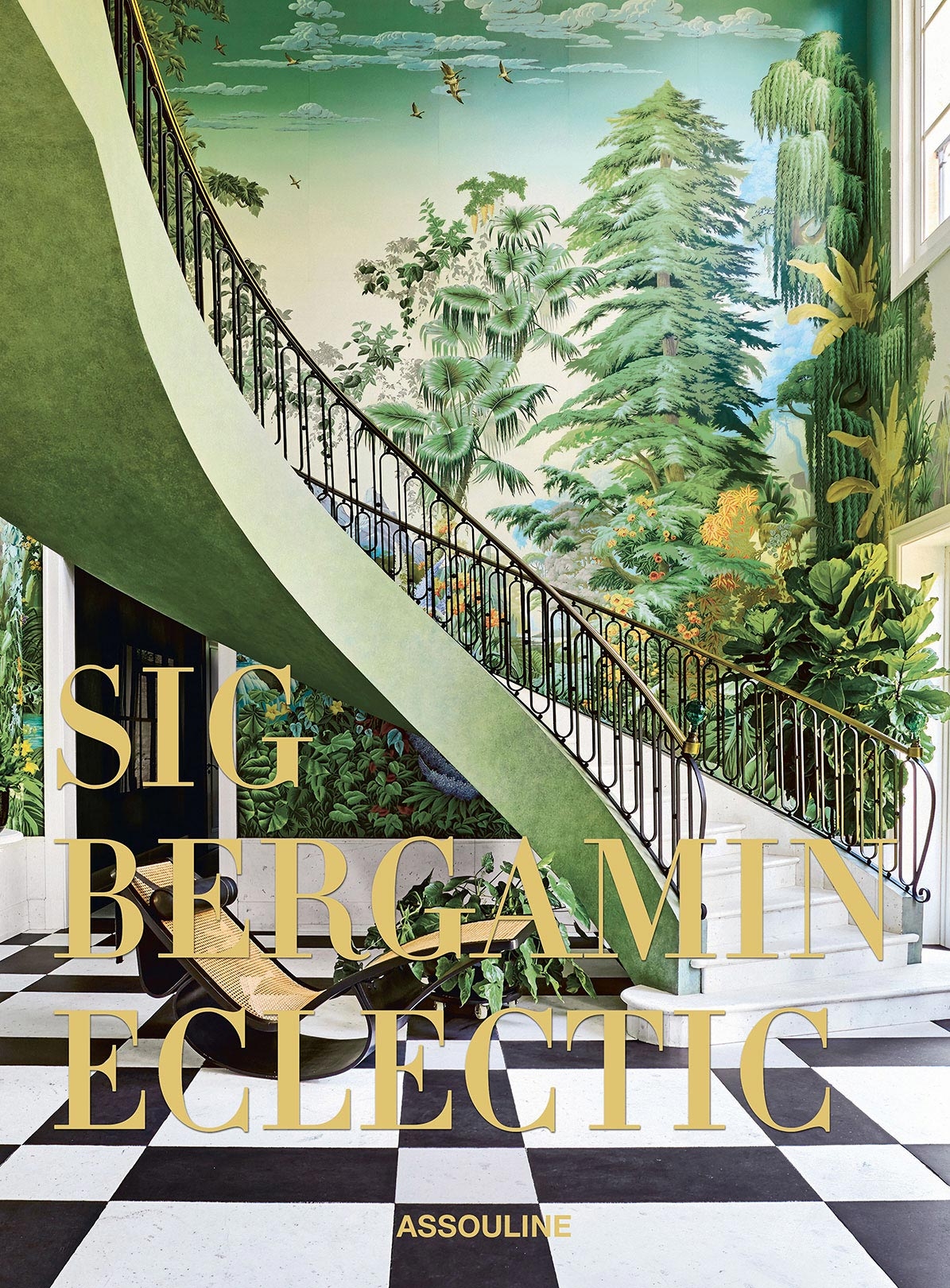

The maturity of a creative dialogue, where the visions of Sig Bergamin and Murilo Lomas intertwine with ease.
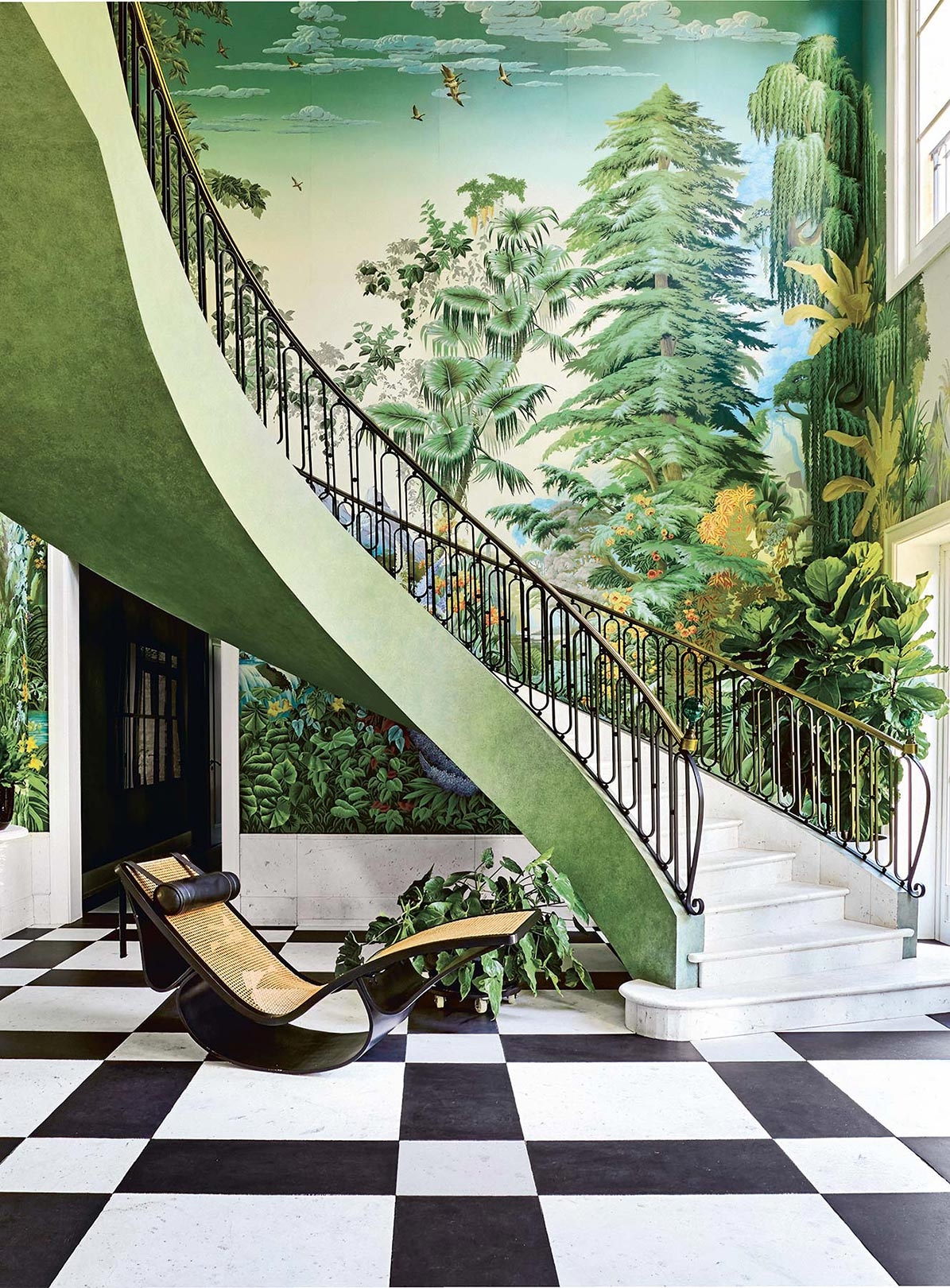

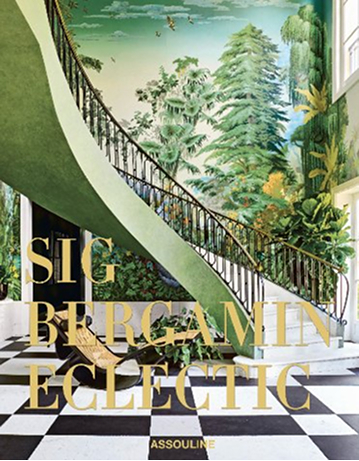
“Each book is a fundamental piece of my journey. I dedicate to each one all my love and commitment, just as I do with my projects. I am meticulous with every detail, and this has been the foundation of my career, bringing me to where I am today. The launch of the book Eclectic is more than a personal achievement. It is the result of a valuable and inspiring partnership. Murilo Lomas, with his strong vision and constant support, played a crucial role in making this dream come true. Together, we shared our strengths and experiences, building not only books, but a story of cooperation and success.”
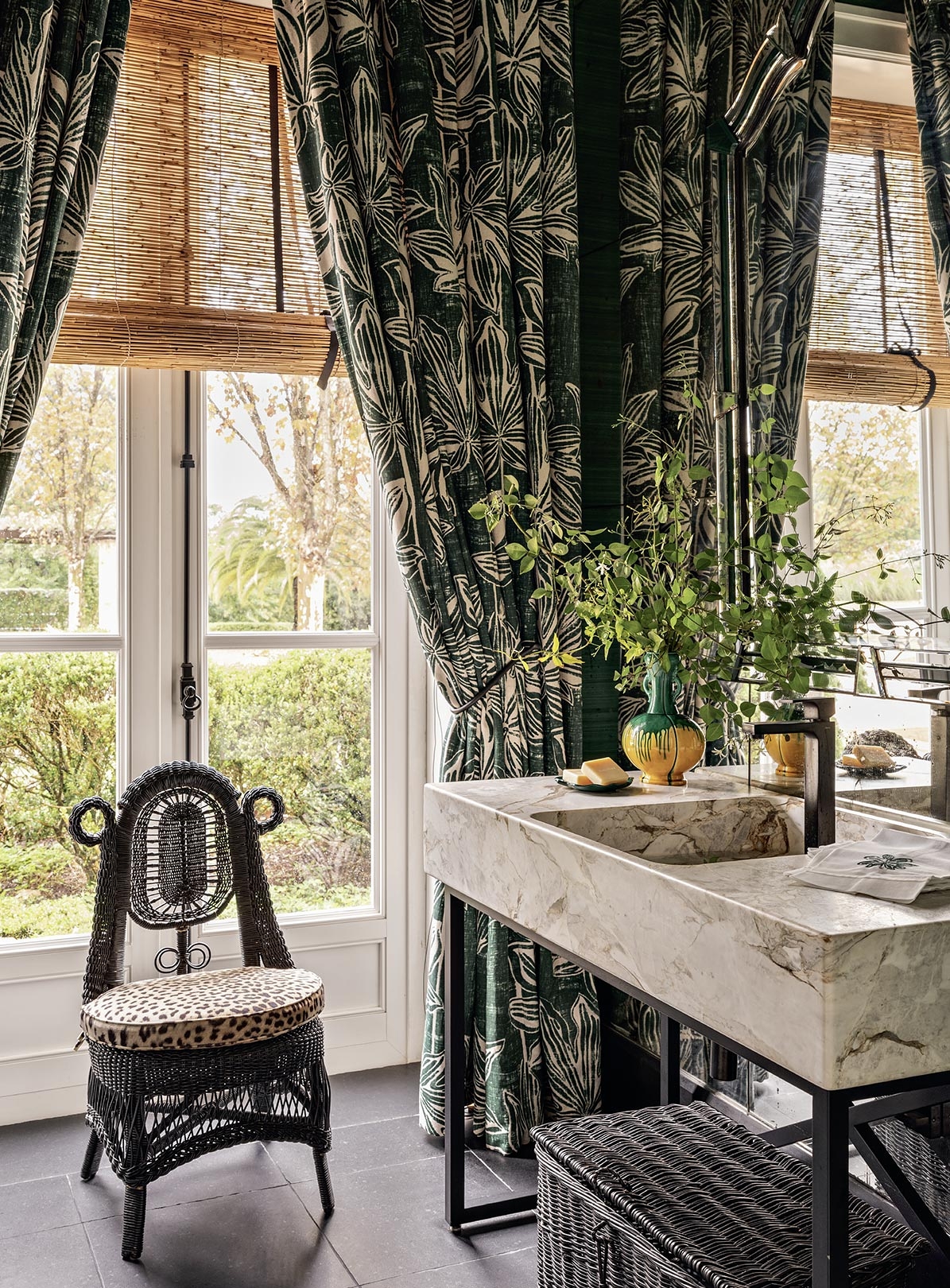
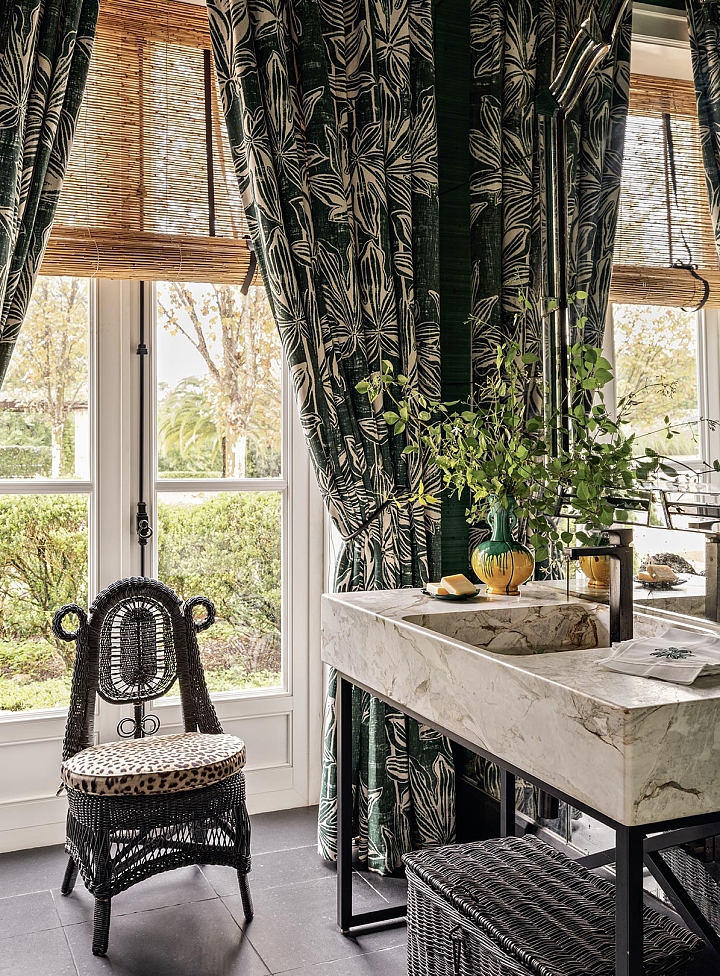

“Sig’s work is vibrant, seeming to embody the liveliness of his native land. He is like that personally as well, offering even strangers a welcoming smile that transcends languages and the countless time zones he finds himself in—whether for work or leisure, as one tends to blur into the other.
His projects are dramatic; no detail is spared, and there are always unexpected elements, like the high-gloss underside of a winding staircase. These qualities are the very definition of ‘eclectic,’ according to the Oxford English Dictionary: deriving ideas, style, or taste from a broad and diverse range of sources. An apt name for this book, which will delight you. Sig has a special way of invigorating more traditional architecture, classical furniture forms, and textile finishes in a way that feels thoroughly current—utterly Sig.”
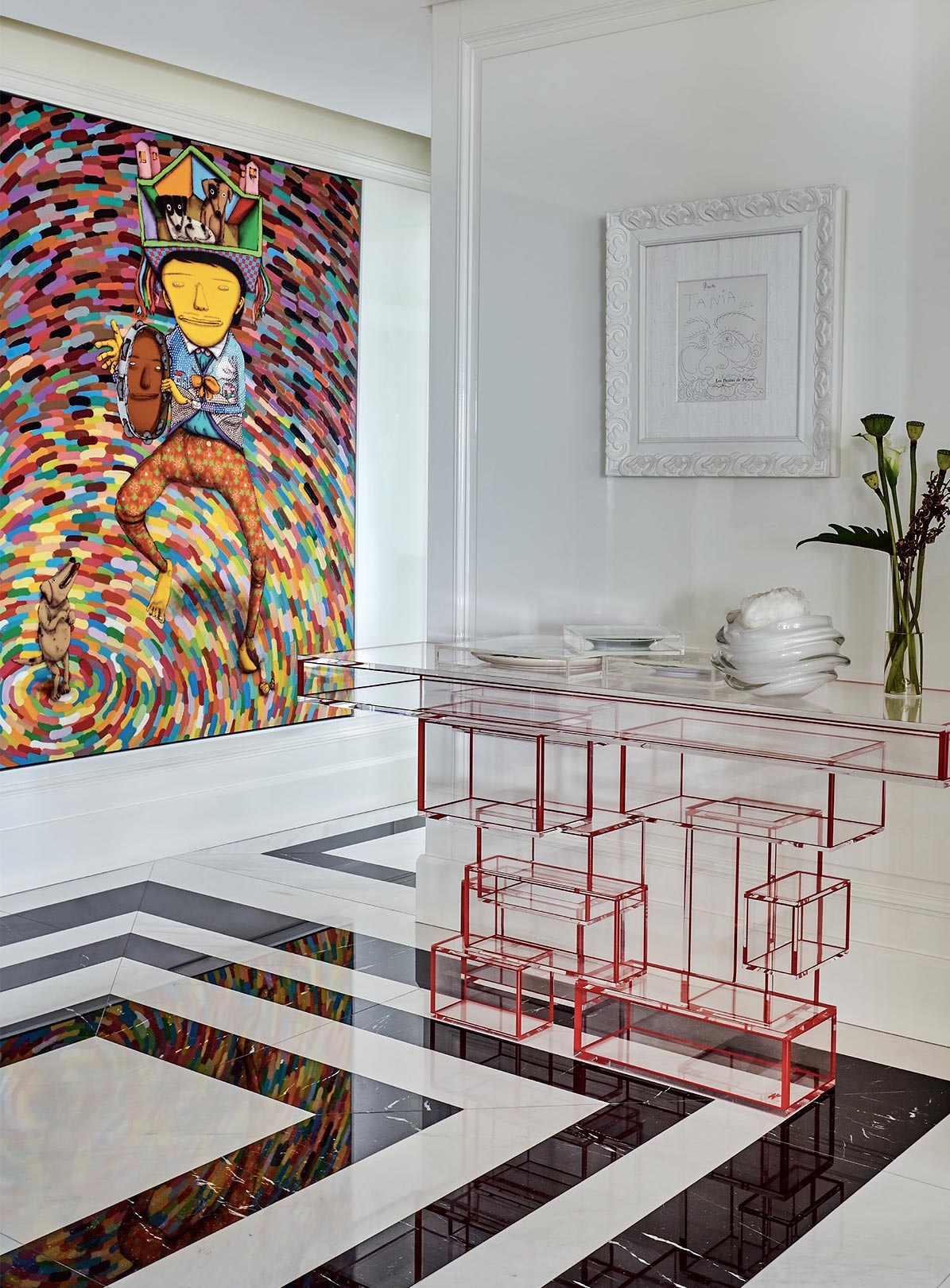
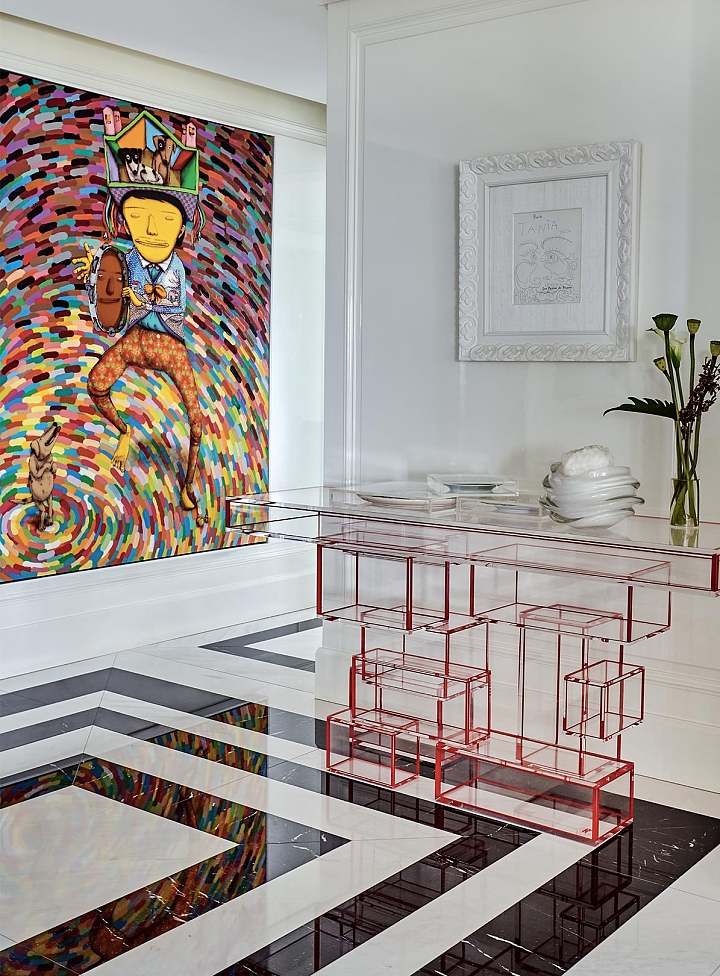
I have always been driven by the mix, by the way one artistic medium makes another resonate or take on new meaning. In my galleries, it is jazz and dance performances that lift our furniture and sculptures to another dimension. Art is a sixth sense. And it is also a fundamental component in Sig’s interiors. His clients are fortunate to have his curatorial eye in their collections, to see how a painting by Yoshitomo Nara or Vik Muniz, or a photograph of Warhol by Christopher Makos, undoubtedly shapes the mood or palette of a room from the very first conversation, even before the plans begin.
It is a true talent to make a great work of art an essential part of a home without making it seem like the only thing in the room or turning it into a museum. No one wants to be overshadowed by a Picasso—even if they are lucky enough to have one in the living room.”
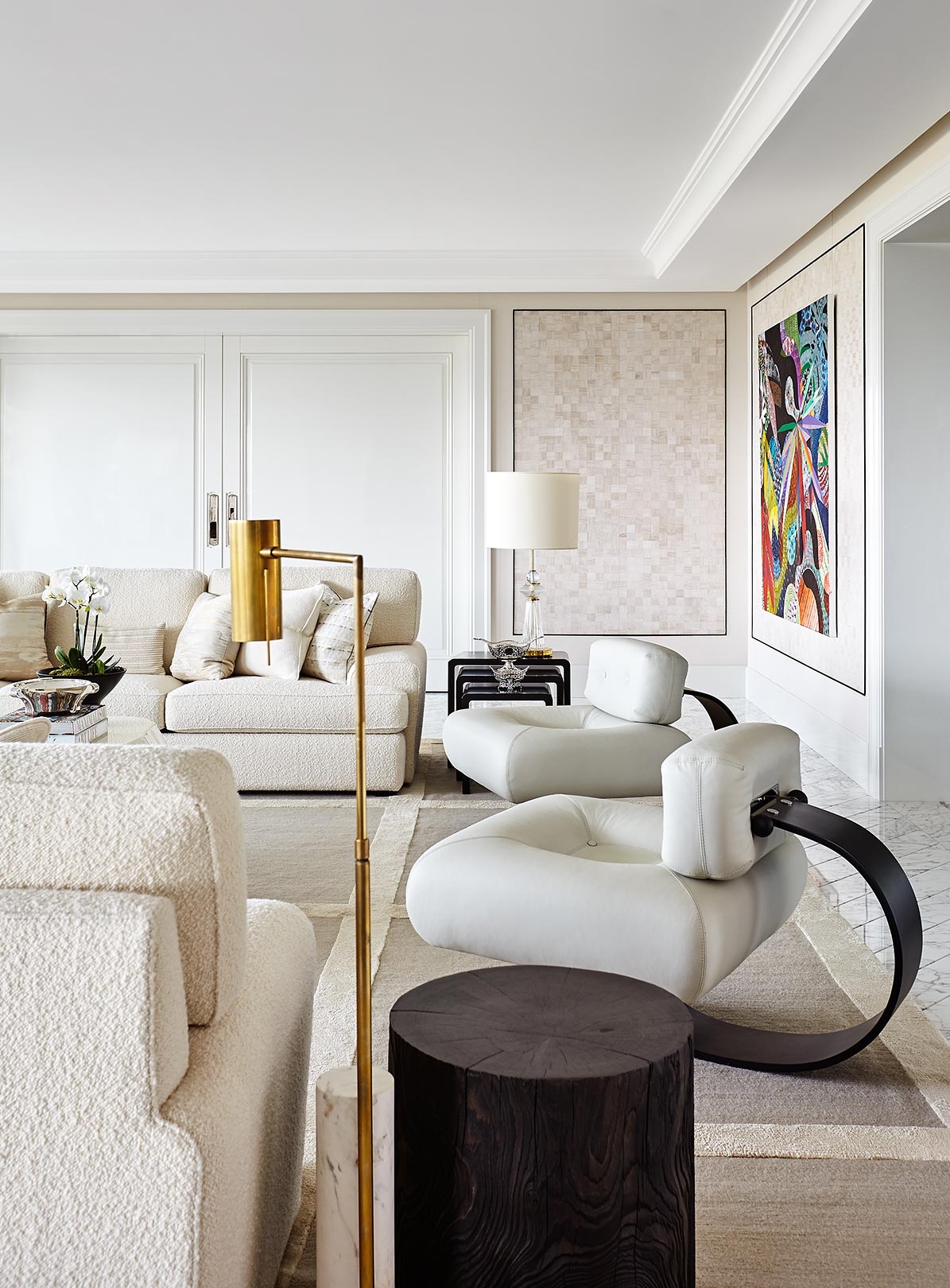
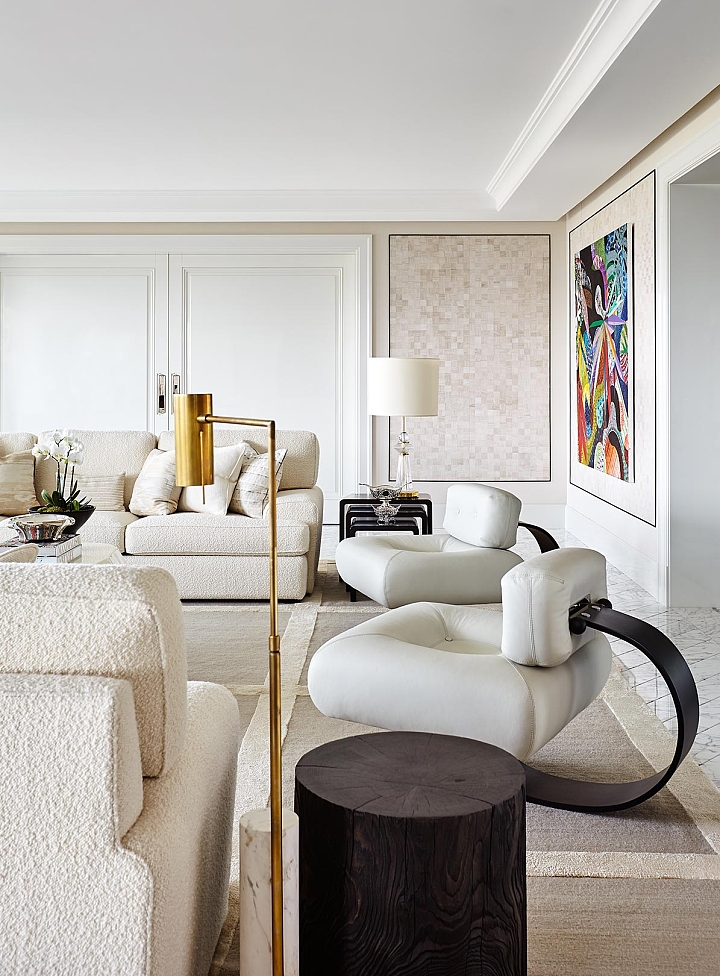
“There is a genuinely welcoming warmth in Sig’s interiors. I think some of his more monochromatic, neutral works may surprise many fans—especially his project for the East 72nd Street apartment—but the details and balance make it feel cozy and inviting. Design went through a phase of ‘beige is boring,’ but this shows how wrong a blanket statement like that can be.
The space is filled with bouclé and velvets, with almost nothing more colorful than an ochre armchair and a chocolate sofa, and yet there is so much for the eye to discover—everything doubled in a mirrored wall behind a marble fireplace. At Casa Regina, the only “color” in the white living room comes from the art, but details like mixed metals and wood tones provide contrast.”
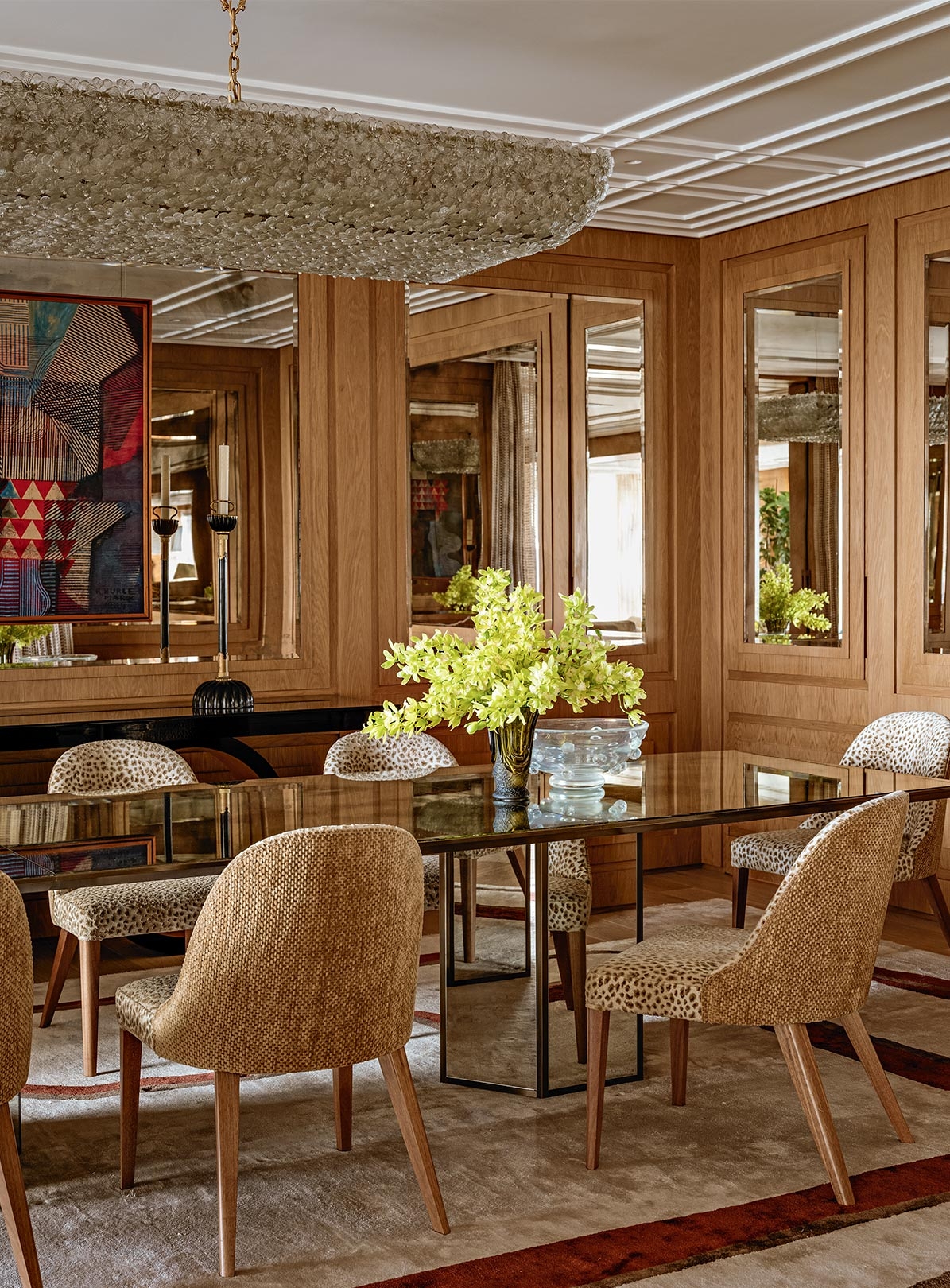
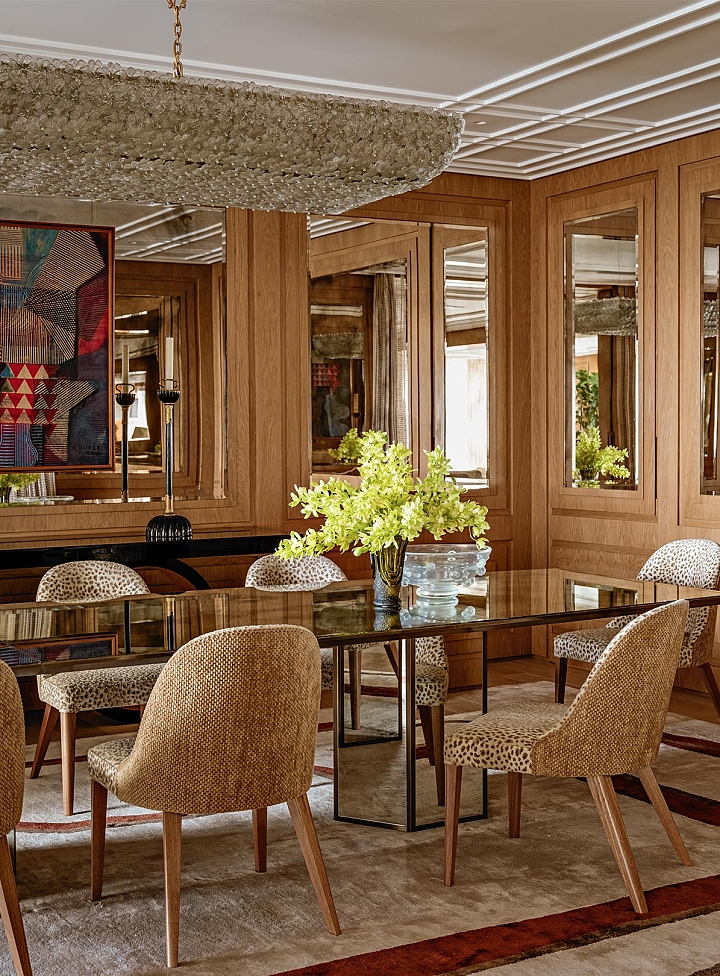

“There are always leaves or flowers—an extra layer that helps even a newly built home feel lived in. He loves patterns, but they don’t have to shout; he confidently uses checks, animal prints, and abstract motifs within a residence.
The flowers are always fresh, the drinks chilled, the table set—Sig delivers the complete package. He is a Brazilian national treasure, like Copacabana, the beaches, and football. I’ve said it before, but it’s true: it’s impossible not to feel happy in one of Sig’s spaces.”
Ralph Pucci